
 Posted by
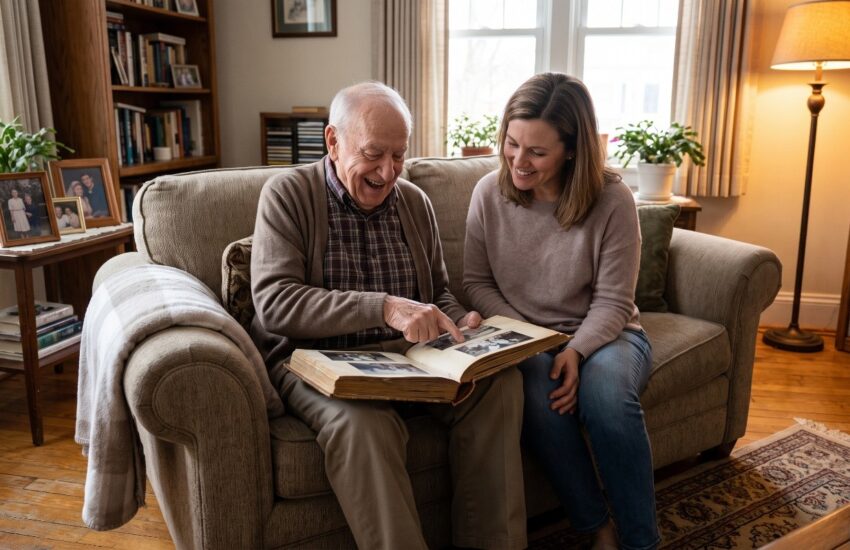
 The day my father admitted he needed help, he did it with a whisper. He did not want a stranger in his house. He did not want to be a burden. He did not want to leave the home he had lived in for forty years. What he did not know, and what I did not know either, was that in-home care is not one thing. It is a spectrum. And somewhere on that spectrum was a level of support that could meet his needs without taking away his independence.
That conversation sent me on a crash course through a system I barely understood. I learned that in-home care ranges from a few hours of companionship a week to round-the-clock medical support. The key is matching the type of care to the actual need, not guessing, not overbuying, and not waiting until a crisis forces your hand.
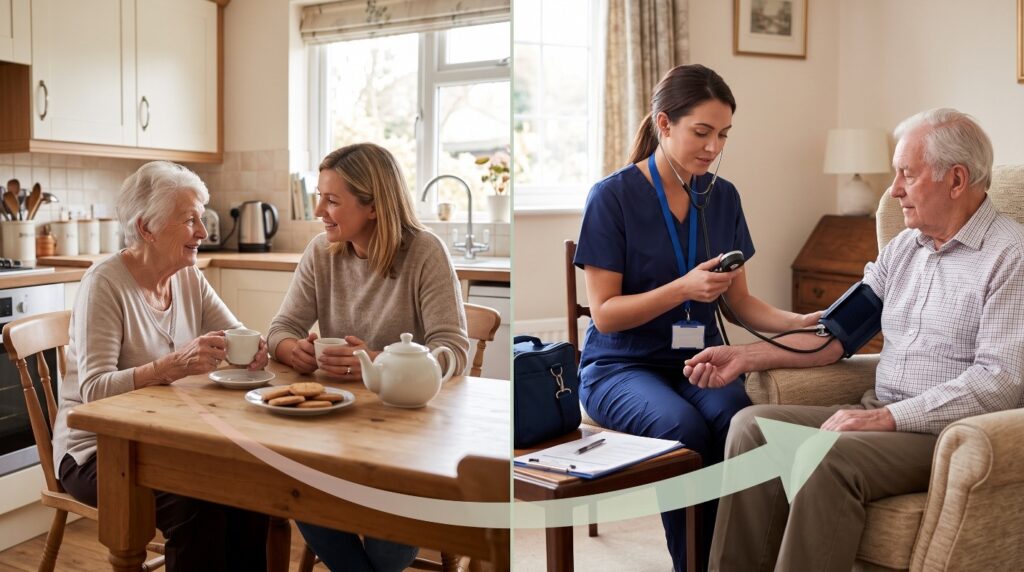
The most common starting point is companion care. This is non-medical support for seniors who are largely independent but need help with loneliness, errands, or light tasks around the house. A companion might prepare a meal, play cards, drive to a doctor’s appointment, or simply sit and talk. There is no medical training required. The goal is connection and practical help. For many seniors, this is the difference between isolation and engagement.
The next level is personal care. This is also non-medical, but it involves hands-on assistance with activities of daily living. Bathing, dressing, grooming, toileting, and mobility support fall into this category. Personal care aides are trained to assist with dignity and respect. This is the right option when a senior can no longer safely manage their own hygiene or transfer from bed to chair without help. It is intimate work, and the quality of the caregiver matters enormously.
Homemaker services overlap with companion care but focus specifically on household tasks. Cooking, cleaning, laundry, grocery shopping, and bill paying. These services are ideal for seniors who are cognitively intact but physically limited or simply overwhelmed by daily chores. They do not provide personal care or medical support.
When medical needs enter the picture, the category shifts. Home health care is clinical care provided by licensed professionals. Registered nurses, licensed practical nurses, physical therapists, occupational therapists, and speech-language pathologists. Home health care is typically prescribed by a physician after a hospital stay, an injury, or a change in condition. It is short-term and goal-oriented. The goal might be wound care, medication management, rehabilitation after surgery, or recovery from an illness. Home health aides may also provide personal care under the supervision of a nurse.
For seniors with chronic conditions or complex medical needs, private duty nursing is another option. This is continuous, one-on-one medical care provided by a registered nurse or licensed practical nurse in the home. It is often used for ventilator-dependent patients, those with severe disabilities, or those who need round-the-clock monitoring. It is the most intensive and expensive form of in-home care.
Specialized care is another layer. Dementia care is tailored to the unique needs of seniors with Alzheimer’s or other cognitive impairments. Caregivers are trained in redirection, behavioral support, and creating safe environments. Palliative care focuses on comfort and quality of life for seniors with serious illnesses. Hospice care provides end-of-life support for the patient and the family. Each of these requires specialized training and a different approach.
The final category is respite care. This is short-term relief for family caregivers. It can be provided in the home by an aide or companion, or it can take place in a facility. The goal is to give the primary caregiver a break, whether for a few hours, a weekend, or a longer period. Respite care is not a luxury. It is a necessity for sustaining long-term caregiving.
Navigating these options can feel overwhelming. The key is to start with an honest assessment of what your loved one actually needs. Not what they want. Not what you wish they needed. What they need. From there, you can build a care plan that matches the right level of support to the right stage of life.
My father started with a companion who came three days a week. Within a year, he moved to personal care. Eventually, he needed home health after a fall. Each step felt like a loss to him. But each step also allowed him to stay in his home, which was the one thing he wanted most. That was worth every difficult conversation.
References
1.National Institute on Aging. (2023). *Services for older adults living at home*. [https://www.nia.nih.gov/health/caregiving/services-older-adults-living-home](https://www.nia.nih.gov/health/caregiving/services-older-adults-living-home)
2. National Institute on Aging. (2023). *Aging in place: Growing older at home*. [https://www.nia.nih.gov/health/aging-place/aging-place-growing-older-home](https://www.nia.nih.gov/health/aging-place/aging-place-growing-older-home)
3. Medicare. (n.d.). *Home health services coverage*. [https://www.medicare.gov/coverage/home-health-services](https://www.medicare.gov/coverage/home-health-services)
4. National Council on Aging. (2025). *What is in-home care?* [https://www.ncoa.org/adviser/local-care/in-home-care/](https://www.ncoa.org/adviser/local-care/in-home-care/)
5. Centers for Medicare & Medicaid Services. (n.d.). *Medicare and home health care*. [https://www.medicare.gov/publications/10969-medicare-and-home-health-care.pdf](https://www.medicare.gov/publications/10969-medicare-and-home-health-care.pdf)