
 Posted by
 My mother had stopped talking. Dementia had stolen her words, and without them, she retreated into silence. Staff were kind but busy. Family visited, but we couldn’t be there every day. She spent hours alone, staring out her window. Then a volunteer came.
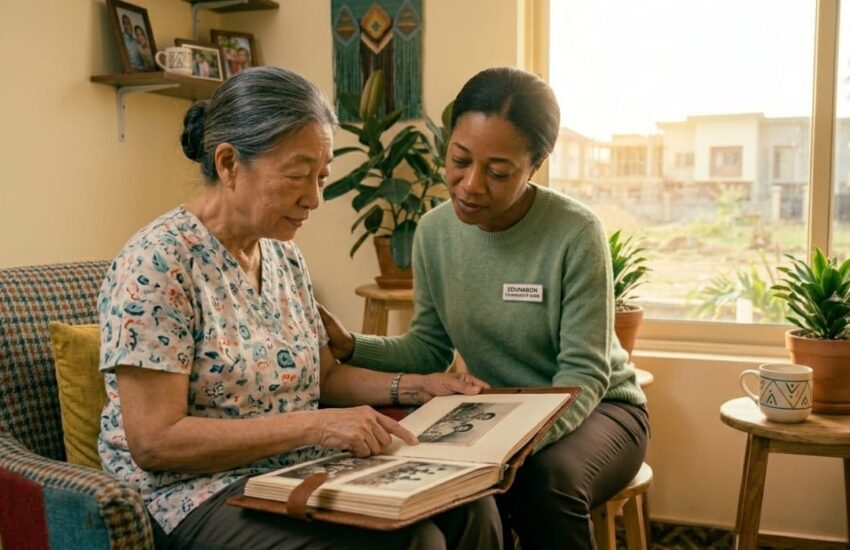
A college student named Maya was training to be a social worker. She came twice a week for an hour. She didn’t try to force conversation. She just sat beside my mother, looked at photo albums, and hummed old songs. After three weeks, my mother hummed back. After two months, she spoke a single word: “pretty,” pointing at a flower in Maya’s hair. That was the first time I understood what volunteers can do that paid staff cannot. They have time. They have attention. They have no agenda except presence.
The first benefit of volunteers is companionship. Nursing home residents are lonely. Staff are stretched thin. Family visits often drop off after the first few months. Volunteers fill that gap. A reliable volunteer who shows up every week becomes a friend. They bring news from outside. They remember birthdays. They notice when something is wrong.
My mother’s second facility had a robust volunteer program. The coordinator matched volunteers carefully. Not every volunteer was right for every resident. One resident loved cards. Another loved being read to. Another just wanted someone to hold her hand. Matching took work, but it made the difference between a volunteer who came and a volunteer who connected.
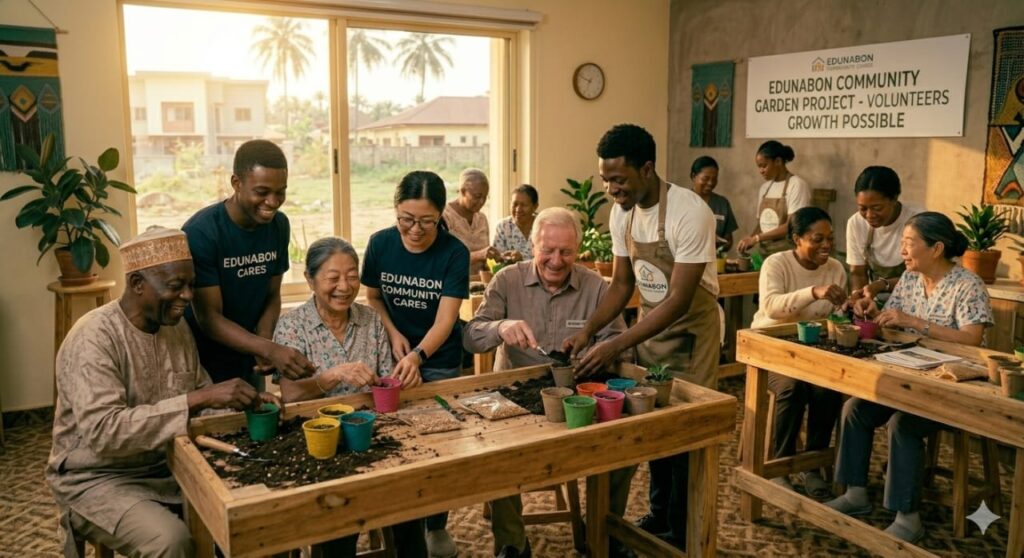
Volunteers also provide extra hands for activities. Bingo needs someone to call the numbers. Gardening club needs someone to help with heavy pots. Holiday parties need people to serve cookies. One activity director told me that volunteers allowed her to offer twice as many programs. Without them, residents would have more empty hours.
Intergenerational programs are especially powerful. High school students, college students, and even younger children bring energy that lifts the whole building. My mother’s facility had a weekly “story time” where preschoolers came to read to residents. The residents who attended were consistently more alert and engaged on those days. The children learned that old age isn’t scary. Everyone won.
But volunteers can also go wrong. I saw volunteers who talked too much, who didn’t listen, who treated residents like projects. I saw volunteers who stopped showing up without notice, leaving confused residents waiting. The best programs screen volunteers carefully, train them thoroughly, and provide ongoing supervision.
Training matters. Volunteers need to understand dementia. They need to know what to do if a resident becomes agitated. They need to know boundaries, what help they can offer and what must be left to staff. They need to know how to say goodbye at the end of a visit without causing distress. My mother’s facility required six hours of training before anyone touched a resident.
Scheduling also matters. A volunteer who comes sporadically can be more disruptive than no volunteer at all. Residents with dementia need consistency. The best programs ask for a weekly commitment of at least three months. They have backup volunteers for when someone is sick. They don’t leave residents waiting for someone who never comes.
If your loved one is in a nursing home, ask about the volunteer program. Is there a coordinator? How are volunteers screened and trained? Can your loved one be matched with a consistent volunteer? If the program is weak, you can help. Recruit volunteers from local churches, schools, or community groups. Volunteer yourself. Start small.
My mother eventually lost all her words. She couldn’t say Maya’s name. But when Maya walked into her room, her face lit up. She reached for Maya’s hand. That connection, wordless but real, was a gift no medication could provide. Volunteers don’t replace staff or family. They add something else. They add community.
There’s so much more to learn about enriching nursing home life. Our website is filled with articles on volunteer programs, activities, and building community. Head over and explore, because one person showing up can change everything.
References
Kim, S. H., et al. (2023). *The effect of volunteer‑led activities on the quality of life in long‑term care institutions*. *International Journal of Environmental Research and Public Health, 20*(6), 5115. https://pmc.ncbi.nlm.nih.gov/articles/PMC10025785
Royal Voluntary Service. (2024, December 31). *Volunteers in care homes*. https://www.royalvoluntaryservice.org.uk/news/volunteering/bring-volunteers-into-care-homes-to-improve-quality-of-life-says-repo
Cizik School of Nursing – Long Term Care Ombudsman. (2024, January 9). *Volunteers – Long Term Care Ombudsman*. https://nursing.uth.edu/community/long-term-care-ombudsman/volunteers
Texas Health Care Association / Texas Nursing Care Association. (2019, October 29). *Volunteer to help seniors*. https://www.thca.org/for-consumers/volunteering/
Activated Insights. (2025, August 17). *How volunteers impact home health, hospice, and senior living*. https://activatedinsights.com/articles/recognizing-the-impact-of-volunteers-in-home-health-hospice-and-senior-living/