
 Posted by
 I thought placing my mother in a nursing home meant I could finally relax. I was wrong. The day she moved in, I became her advocate, her watchdog, and her voice. I learned that safety in a nursing home is not automatic. It is something you have to monitor, question, and fight for every single day.
The first thing I realized is that safety starts with staffing. Experts agree that the number one factor in keeping residents safe is having enough trained staff. Without adequate staff, falls quickly turn into emergencies, infections spread, and neglect becomes routine. There are no current federal requirements for specific staffing ratios, but you can still ask the hard questions. How many nurses and aides are on each shift? What is the staff-to-resident ratio? What happens when staff calls out sick? If the answers are vague or defensive, that is a red flag.
Falls are the leading cause of injury among older adults, and most falls happen inside residents’ rooms. I learned to ask about fall prevention protocols. Does the facility use low beds, non-slip socks, and assistive devices for transfers? Do staff do purposeful monitoring, checking on residents regularly and making sure call lights and water are within reach before they leave? When I started visiting at different times of day, I noticed whether aides asked my mother, “Is there anything else I can do for you before I leave?” That simple question can prevent a resident from trying to get up unsafely after a staff member departs.
Infections are another major risk. Nursing homes are required to maintain infection prevention plans, but I learned to look beyond the policies. I watched staff closely. Did they wash their hands before and after handling residents? Were hand sanitizers and gloves readily available? Did the facility smell clean, or was there an unpleasant odor that might signal neglect? I also asked about how the facility coordinates with public health agencies and how they plan to keep families informed during outbreaks of flu, pneumonia, or C. diff.
Cleanliness is a basic but critical indicator. When I toured facilities, I looked at more than just the common areas. I checked the rooms. Were trash cans emptied? Were linens clean and beds made? Were clothes and belongings strewn about? An unclean room is not just unpleasant; it is a breeding ground for infections, and older adults have weaker immune systems. If a facility cannot keep the place clean during a tour, when they are putting their best foot forward, it will likely decline when staffing issues arise.
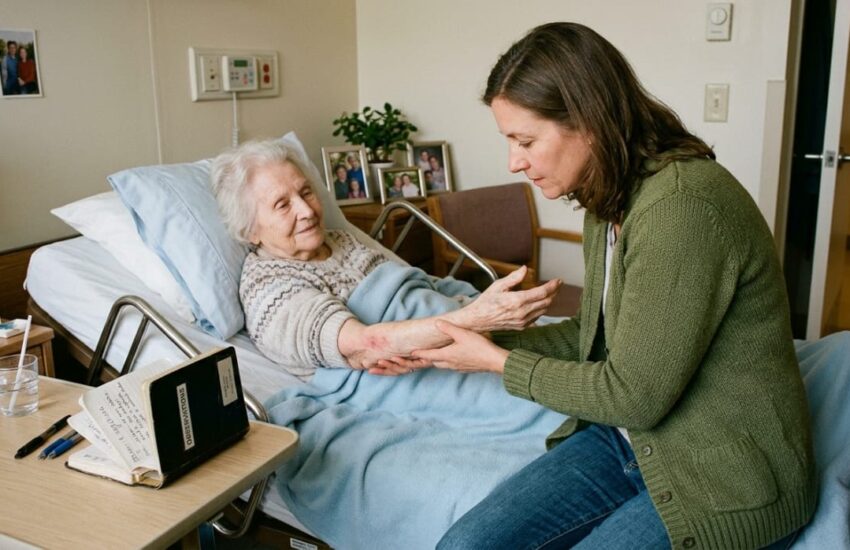
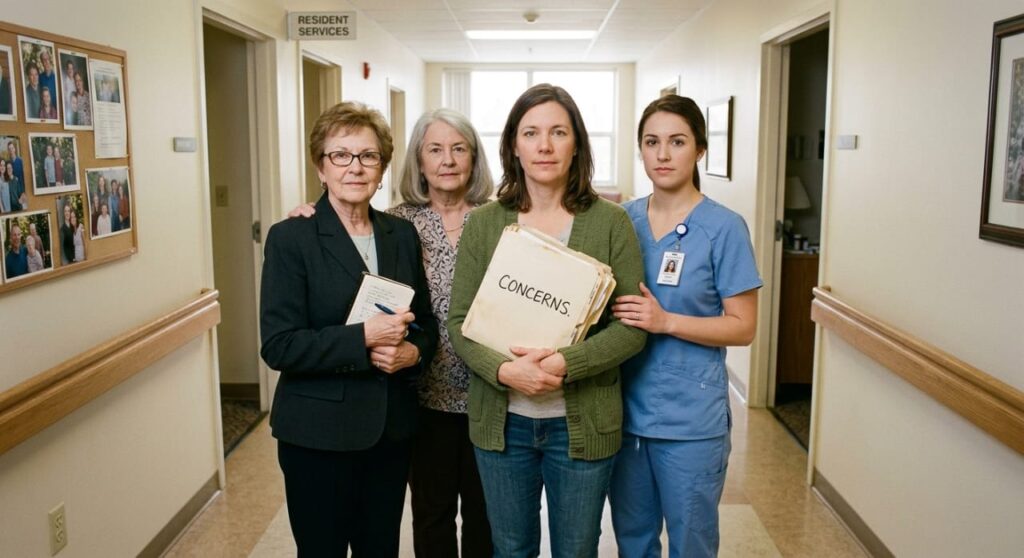
I also learned to document everything. If I noticed a bruise, a change in behavior, or a missed medication, I wrote it down with the date and time. I sent letters to the administrator and the Director of Nursing, keeping copies for my records. I did not stay silent. I was persistent. When my concerns were not addressed, I filed formal grievances with the facility. That created a documented history that showed a pattern of problems. And when the facility still did not respond, I reported the issues to my state’s Department of Public Health and the Long-Term Care Ombudsman. The ombudsman program exists to advocate for residents and investigate complaints.
Being present is the most powerful tool you have. I visited my mother at different times of day, not just during visiting hours. I wanted to see what happened when I was not expected. The nursing home cannot limit your visiting hours; federal law gives you the right to visit anytime, day or night. I did not just sit with my mother. I observed. I noticed changes in her physical appearance, her mood, her appetite. I asked staff to explain her care plan and requested access to her records. I joined the Family Council, an organized group of families that meets to discuss concerns and advocate for change. When families speak with one voice, facilities are more likely to listen.
I also learned to watch for signs of abuse and neglect. Sudden weight loss, pressure sores, unexplained injuries, poor hygiene, and overworked, cranky staff are all red flags. I also paid attention to the food. Was it appetizing? Did it meet my mother’s dietary needs? Poor nutrition can lead to rapid decline.
I used public resources to evaluate the facility. Medicare’s Care Compare tool and U.S. News ratings provided data on staffing, quality of care, and inspection results. I also checked ProPublica’s nursing home inspection database to see if the facility had a history of serious deficiencies. And I was careful about contracts. Nursing homes cannot legally require a family member to be a co-signer or guarantor for a loved one’s care. If a facility pressured me to sign a contract that made me personally liable, I knew to walk away or get legal advice.
Ensuring your loved one’s safety in a nursing home is not a one-time task. It is ongoing vigilance. It means visiting at odd hours, asking uncomfortable questions, documenting concerns, and advocating relentlessly. It means understanding that the facility’s responsibility is to provide safe, quality care. When they fail, it is not your fault, but it is your responsibility to speak up.
References
Centers for Medicare & Medicaid Services. (n.d.). *Five-star quality rating system*. https://www.cms.gov/medicare/health-safety-standards/certification-compliance/five-star-quality-rating-system
Medicare. (n.d.). *Your guide to choosing a nursing home*. https://www.medicare.gov/publications/02174-your-guide-to-choosing-a-nursing-home
Medicare. (n.d.). *Your guide to living in a nursing home*. https://es.medicare.gov/publications/12217-your-guide-to-living-in-a-nursing-home
National Academies of Sciences, Engineering, and Medicine. (2022). *Nursing home environment and resident safety*. In *The national imperative to improve nursing home quality: Honoring our commitment to residents, families, and staff*. National Academies Press. https://www.ncbi.nlm.nih.gov/books/NBK584652/
Centers for Medicare & Medicaid Services. (2026, August 12). *Nursing homes*. https://www.cms.gov/medicare/provider-enrollment-and-certification/guidanceforlawsandregulations/nursing-homes