
 Posted by
 The hospital discharged my father on a Tuesday with a list of instructions, a bag of medications, and a problem. He was not sick enough to stay, but not well enough to go home. He had undergone major surgery, and his body needed time. His apartment had stairs. He lived alone. He could not cook or bathe or manage his own wound care. The discharge planner used a term I had not heard before. She said he needed a convalescent home.
I thought a convalescent home was just an old-fashioned word for a nursing home. It is not. A convalescent home is a facility that provides short-term care for people recovering from illness, injury, or surgery. The goal is not long-term residency. The goal is rehabilitation and recovery. The average stay is measured in weeks, not years. It is a bridge between the hospital and home.
The distinction matters. Nursing homes are designed for long-term custodial care. They serve people who cannot live independently and need ongoing support with daily activities. Convalescent homes are designed for recovery. They provide skilled nursing care, physical therapy, occupational therapy, and speech therapy. They are often attached to hospitals or part of larger rehabilitation centers. They are staffed by medical professionals who specialize in helping people regain function. The focus is on getting you well enough to leave.
My father was not happy about the arrangement. He wanted to go home. He did not want to be in a facility with strangers. He did not want to feel like a patient. I understood. But I also understood that going home too soon could mean a fall, an infection, or a return to the hospital. The convalescent home was not a punishment. It was a necessary stop on the road to recovery.
The first thing I learned is that convalescent homes are not all the same. Some are excellent. Some are not. I toured several before choosing one. I looked at the therapy facilities. I watched how staff interacted with residents. I asked about the ratio of nurses to patients. I checked the inspection reports. I asked about the discharge planning process. I wanted to know how they would help my father get home, not just keep him comfortable.
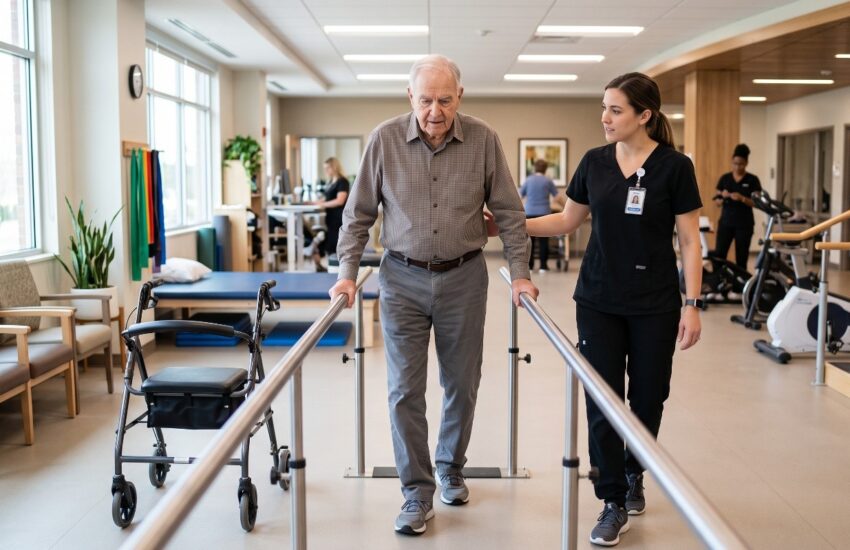
The second thing I learned is that therapy is the core of convalescent care. My father had physical therapy every day. He worked on strength, balance, and mobility. He had occupational therapy to relearn daily tasks like dressing and bathing. He had speech therapy to address swallowing difficulties that had developed after surgery. The therapies were exhausting. Some days he hated them. But they were the reason he walked out of that facility instead of being carried out.
The third thing I learned is that the length of stay is determined by progress, not by a fixed schedule. Medicare covers convalescent care for up to one hundred days per benefit period, but only if the patient is making progress toward recovery. If progress stalls, coverage can end. That reality motivated my father. He wanted to go home, and the only way home was through therapy.
The fourth thing I learned is that family involvement matters. I visited often. I attended care conferences. I communicated with the therapists about my father’s goals. I brought him his favorite foods and books. I encouraged him when he was frustrated. I reminded him why he was doing the work. The staff saw that someone was paying attention. That accountability improved his care.
The fifth thing I learned is that discharge planning starts on day one. The best convalescent homes are already thinking about home. They assess the home environment. They recommend modifications like grab bars and ramps. They coordinate with home health agencies. They make sure prescriptions are filled and follow-up appointments are scheduled. They do not wait until the last day to figure out what happens next.
My father spent four weeks in the convalescent home. He walked out with a cane, not a wheelchair. He went home to his apartment. He needed help for a while, but he was home. That was the goal. That was always the goal.
Convalescent homes are not a destination. They are a passage. They are a place where healing happens, where strength is rebuilt, and where the path home becomes possible again. If your loved one needs one, choose carefully. Stay involved. And remember that the goal is not to stay. The goal is to leave.
References
1. Care Quality Commission. (2026). *Regulations for service providers and managers: Service types*. [https://www.cqc.org.uk/guidance-regulation/providers/regulations-service-providers-and-managers/service-types](https://www.cqc.org.uk/guidance-regulation/providers/regulations-service-providers-and-managers/service-types)
2. National Health Service. (2023). *Care homes*. [https://www.nhs.uk/social-care-and-support/care-services-equipment-and-care-homes/care-homes/](https://www.nhs.uk/social-care-and-support/care-services-equipment-and-care-homes/care-homes/)
3. Department of Veterans’ Affairs. (2024). *Convalescent care information for providers*. [https://www.dva.gov.au/providers/programs-services-information-providers/convalescent-care-information-providers](https://www.dva.gov.au/providers/programs-services-information-providers/convalescent-care-information-providers)