
 Posted by
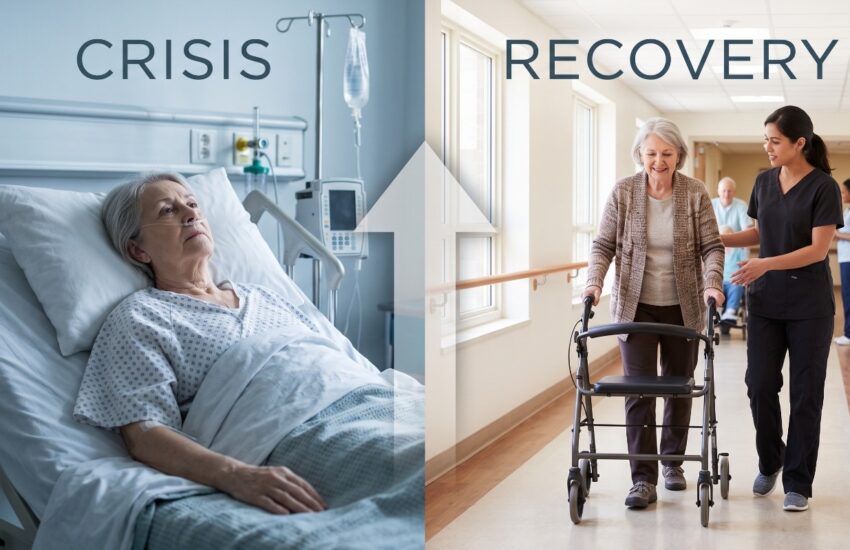
 The hospital saved my mother’s life. The stroke could have killed her. But when the crisis passed, we were left with a different problem. She could not walk. She could not use her left arm. She could not swallow safely. She was alive, but she was not herself. The hospital was not equipped to help her recover. She needed rehabilitation.
A rehabilitation center is a facility designed to help people recover function after injury, surgery, or illness. It is not a nursing home. It is not a hospital. It is a specialized environment where therapists, nurses, and physicians work together to help patients regain skills and independence. The focus is intensive. The goal is progress. The expectation is that you will work hard and get better.
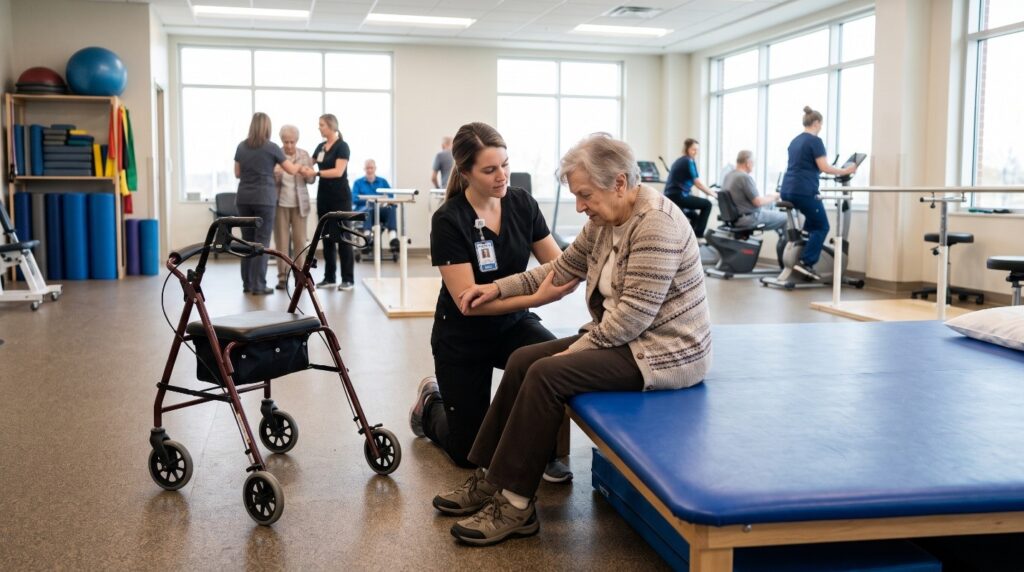
The first thing I learned is that rehabilitation centers are not all the same. Some specialize in orthopedic rehabilitation after joint replacement or sports injuries. Some focus on neurological rehabilitation for stroke, brain injury, or spinal cord injury. Some provide cardiac rehabilitation after heart attacks or surgery. Some offer pulmonary rehabilitation for chronic lung conditions. The right center for my mother was one with a strong neurological rehabilitation program and experience treating stroke patients.
The second thing I learned is that therapy is the core of everything. My mother had physical therapy to relearn how to walk and balance. She had occupational therapy to relearn how to dress, bathe, and feed herself. She had speech therapy to address her swallowing difficulties and her language deficits. The therapies were intensive. She had sessions multiple times per day. She was exhausted. Some days she cried. But the intensity was the point. Recovery does not happen in a comfortable chair. It happens when you push your body and brain to rebuild connections.
The fourth thing I learned is that rehabilitation is hard work. There is no magic. There is no shortcut. The patients who improve are the ones who show up, try, fail, and try again. My mother did not want to do her exercises. She was tired. She was frustrated. She was scared. But the therapists knew how to motivate her. They broke goals into small steps. They celebrated every bit of progress. They reminded her of what she was working for. Home. Independence. A return to herself.
The fifth thing I learned is that family involvement is essential. I visited often. I attended therapy sessions. I learned the exercises so I could help her practice on weekends. I communicated with her team about what I observed. I brought familiar items from home to make her room feel less institutional. I reminded her who she was when she forgot. The staff saw that she was loved. That mattered.
The sixth thing I learned is that discharge planning starts early. The best rehabilitation centers are already thinking about home from the first day. They assess the home environment. They recommend modifications. They coordinate with home health agencies. They make sure equipment is ordered and prescriptions are filled. They set up follow-up appointments. They do not wait until the last day to figure out what happens next.
My mother spent six weeks in the rehabilitation center. When she arrived, she could not stand. When she left, she walked with a walker. She could dress herself. She could eat without choking. She could speak in short sentences. She was not the woman she had been before the stroke. But she was more herself than anyone had predicted. The rehabilitation center gave her that. It gave her back her life, one small step at a time.
Rehabilitation centers are not places of decline. They are places of rebuilding. They are where broken bodies and brains are given the chance to heal. They are hard. They are exhausting. But they are also hopeful. If your loved one needs one, choose carefully. Stay involved. And believe in the work. Recovery is possible.
References
1.World Health Organization. (2024). *Rehabilitation*. [https://www.who.int/news-room/fact-sheets/detail/rehabilitation](https://www.who.int/news-room/fact-sheets/detail/rehabilitation)
2. MedlinePlus. (2025). *Skilled nursing or rehabilitation facilities*. [https://medlineplus.gov/ency/patientinstructions/000435.htm](https://medlineplus.gov/ency/patientinstructions/000435.htm)
3. World Health Organization. (n.d.). *Rehabilitation*. [https://www.who.int/docs/default-source/documents/health-topics/rehabilitation/brochure-en-2.pdf](https://www.who.int/docs/default-source/documents/health-topics/rehabilitation/brochure-en-2.pdf)