
 Posted by
 When my mother entered the nursing home after her stroke, the doctors told us she would probably never walk independently again. The damage to her brain was significant. The weakness on her left side was profound. I grieved the loss of what she could no longer do. But my mother had other plans. And so did the rehabilitation team at her facility.
The first week, a physical therapist named Carlos came to evaluate her. He was patient, kind, and utterly unsentimental. “We don’t know what’s possible until we try,” he said. “Your mother’s brain is damaged, but it’s also plastic. It can learn new pathways. It just needs the right challenges.” Those words gave me something I hadn’t felt in weeks: hope.
Rehabilitation services in nursing homes aren’t just about exercises. They’re about restoring function, independence, and dignity. Physical therapy works on mobility, walking, transferring, balance. Occupational therapy works on daily activities, dressing, bathing, eating, cooking. Speech therapy works on communication, swallowing, and cognitive function. My mother needed all three.
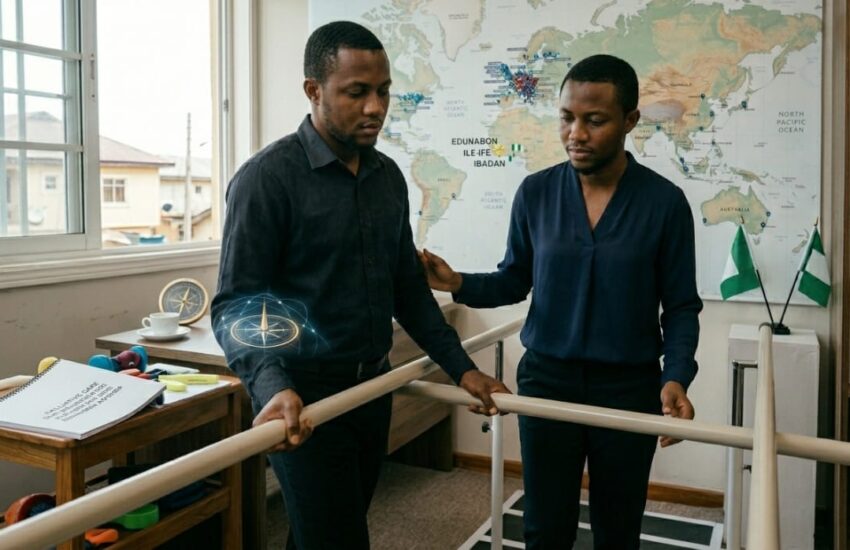
Physical therapy started small. Carlos helped her sit up in bed, something she hadn’t done since the stroke. Then he helped her stand, supporting most of her weight. Then he helped her take a single step. I cried when she took that step. It was tiny, awkward, barely a shuffle. But it was movement. It was progress.
Over the following weeks, Carlos pushed her gently. He never demanded more than she could give, but he never let her settle for less. He explained that recovery from a stroke isn’t linear. Some days she’d improve. Some days she’d regress. The key was consistency, repetition, and not giving up when the hard days came.
My mother hated some of the exercises. They were frustrating, exhausting, sometimes painful. But Carlos had a gift for knowing when to push and when to pause. He celebrated every small victory, lifting her leg an inch higher, standing for five seconds longer, taking one more step than yesterday.
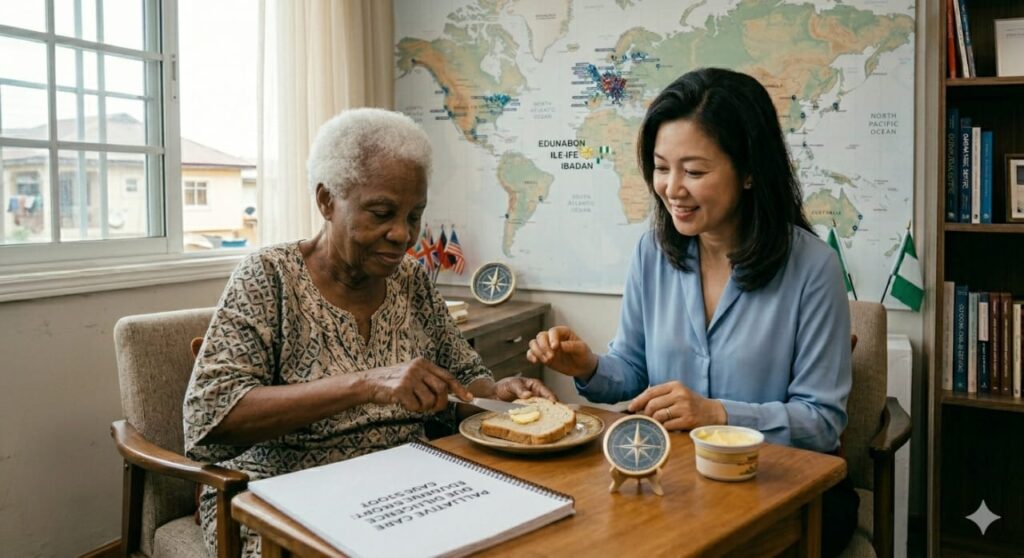
Occupational therapy addressed the activities that mattered most to my mother. She wanted to feed herself. She wanted to brush her own teeth. She wanted to button her own shirt. The occupational therapist, a woman named Diane, broke each task into tiny steps. She adapted tools, built-up handles on utensils, button hooks for clothing, a long-handled sponge for bathing. She taught my mother compensatory strategies for movements her weakened left hand couldn’t perform. The first time my mother fed herself a bite of yogurt, she cried. So did I.
Speech therapy was the hardest. The stroke had affected my mother’s ability to swallow, putting her at risk for pneumonia. The speech therapist, Rachel, started with simple swallowing exercises. Then pureed foods. Then soft solids. Each step forward required immense concentration and effort. But Rachel was tireless. She celebrated when my mother drank a full glass of thickened liquid without choking. She cheered when my mother progressed to chopped foods. She was there when my mother finally ate a piece of toast, real toast, not the pureed version.
The communication side of speech therapy was frustrating for my mother. She knew what she wanted to say, but the words wouldn’t come. Rachel taught her strategies, slowing down, using gestures, writing key words. She worked with us, the family, teaching us how to support my mother without finishing her sentences or speaking for her.
Six months after the stroke, my mother walked out of the nursing home. Not without assistance—she used a cane and needed someone nearby. But she walked. She fed herself. She spoke in sentences, halting but understandable. She swallowed thin liquids carefully, without choking. The nursing home’s rehabilitation team had given her back her life.
Rehabilitation services in nursing homes vary widely in quality and intensity. The best facilities have dedicated therapy spaces, adequate staffing, and therapists who specialize in geriatric rehabilitation. They offer therapy seven days a week, not just on weekdays. They integrate therapy goals into daily nursing care, so residents practice their skills throughout the day, not just during formal sessions.
When you’re evaluating a nursing home, ask about rehabilitation. What types of therapy are available? What is the ratio of therapists to residents? How many minutes of therapy per week does the average resident receive? What is the facility’s track record, how many residents return home after their stay? How many regain function?
Also ask about the philosophy. Does the facility believe in aggressive rehabilitation, or do they focus primarily on maintenance? Is there a dedicated rehabilitation unit, or is therapy provided in residents’ rooms? Are families encouraged to participate in therapy sessions, learning how to support their loved one’s progress?
Medicare covers rehabilitation services in nursing homes, but the amount and duration depend on medical necessity. The facility should provide regular updates on your loved one’s progress and goals. If you feel the therapy is insufficient, speak up. You are your loved one’s advocate.
My mother eventually returned to her own apartment. She never fully recovered, the left side of her body remained weak, her speech remained slower than before. But she lived independently for another three years. She cooked simple meals. She dressed herself. She walked to the mailbox and back. She talked to friends on the phone, even when the words came slowly.
The rehabilitation team didn’t give her a miracle. They gave her something better: the chance to work for her own recovery. They believed in her when she didn’t believe in herself. They pushed when she needed pushing. They celebrated when she needed celebrating. And when she reached her limits, they helped her accept those limits with grace.
If your loved one is in a nursing home recovering from an illness, injury, or surgery, rehabilitation services are essential. Don’t let them languish in bed. Don’t accept that decline is inevitable. The brain and body can learn, adapt, and heal, at any age, with the right support.
There’s so much more to learn about rehabilitation and recovery in nursing homes. Our website is filled with articles on therapy approaches, advocating for services, and setting realistic expectations. Head over and explore, because regaining function is possible, even when the odds seem impossible.
References
Grabowski, D. C., Aschbrenner, K. A., Rome, V. F., Bartels, S. J. (2008). Developmental trends and milestones in the provision of rehabilitation services in nursing homes. *Journal of the American Medical Directors Association, 9*(9), 631-636. https://doi.org/10.1016/j.jamda.2008.06.001
Katz, P. R. (1993). Rehabilitation in the nursing home. *Clinics in Geriatric Medicine, 9*(3), 553-565. https://doi.org/10.1016/S0749-0690(18)30382-3
National Center for Biotechnology Information. (2001). *Rehabilitation in the nursing home: How much, why, and with whom?* https://pmc.ncbi.nlm.nih.gov/articles/PMC1403501/
Cornerstone Rehabilitation. (2022, May 16). *Why are rehabilitation services necessary in nursing homes?* https://www.cornerstonerehab.com/why-are-rehabilitation-services-necessary-in-nursing-homes/
Foothill Operations. (2024, April 28). *Exploring the role of rehabilitation services in senior care*. https://foothillops.com/exploring-the-role-of-rehabilitation-services-in-senior-care/