
 Posted by
 When my mother first entered the nursing home, she refused to leave her room. She sat by the window, watching the world outside, but she would not join the activities in the common areas. She said she was too tired, too old, too sad. I thought she was declining. I did not realize that she was lonely and needed a bridge back to community.
Activities in nursing homes are not just about filling time. They are about preserving identity, building connection, and maintaining quality of life. My mother needed to be invited, not pushed. She needed activities that matched her interests and abilities.
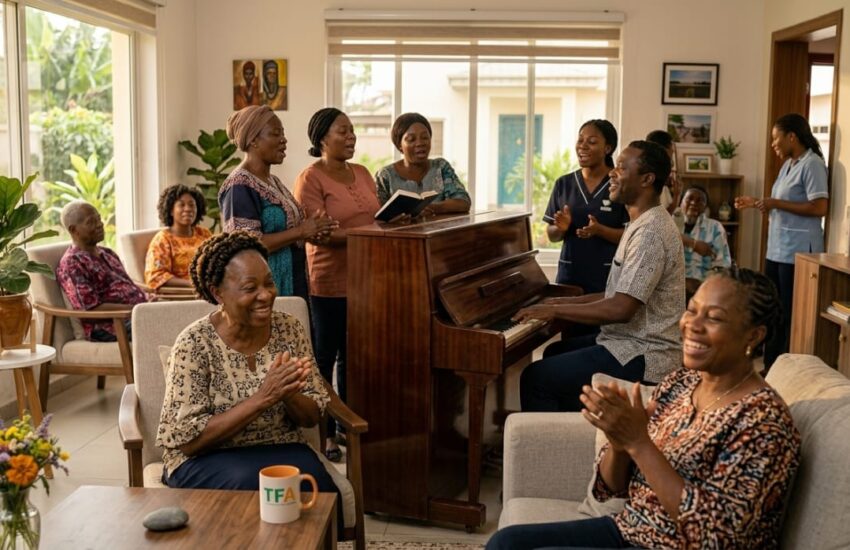
The first activity that drew her out was music. A volunteer came to play the piano in the common room. My mother had been a pianist in her youth. She could no longer play, but she could listen. She started sitting in the doorway, then in a chair near the piano, then at the piano bench itself. Music reconnected her to a part of herself that dementia had not taken.
The activity director took note of her engagement and started a weekly sing-along. My mother did not know all the words, but she knew the melodies. She hummed. She tapped her feet. She looked at the other residents and smiled. That was the first time I saw her connect with others in the facility.
Socialization is not just about being in a room with other people. It is about meaningful interaction. My mother’s facility offered a range of activities designed to meet different abilities. Reminiscence groups brought residents together to share memories. Art therapy allowed expression without words. Gardening clubs provided sensory engagement and a sense of purpose. Even simple conversations over coffee helped residents feel seen.
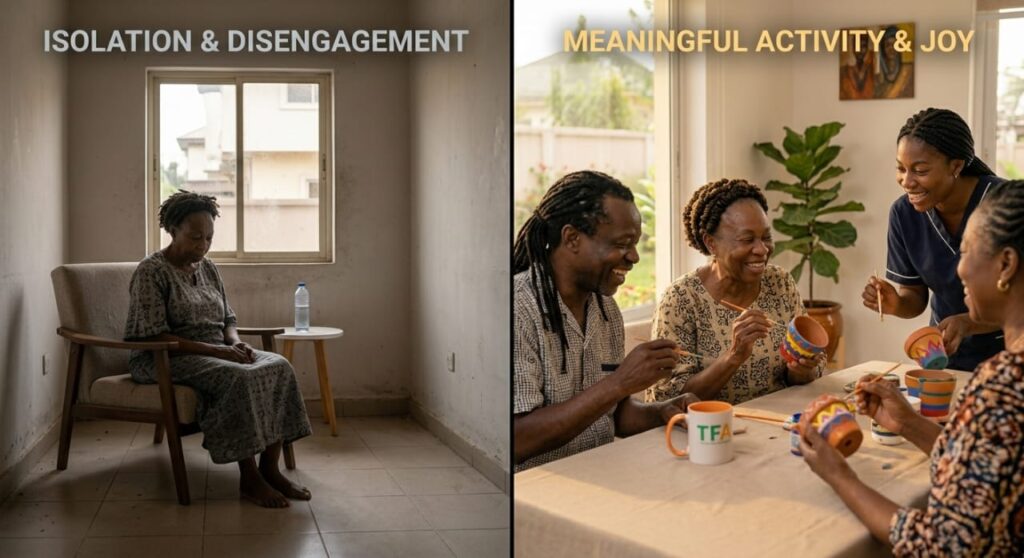
I also learned that socialization can happen outside of formal activities. Mealtimes are opportunities for connection. Encouraging residents to eat together, even if they cannot hold a conversation, helps combat isolation. My mother’s facility assigned her to a table with three other residents who shared her mealtime preferences. They did not talk much, but they ate together. That was enough.
Activities also provide cognitive stimulation. Puzzles, word games, and trivia challenge the mind and slow cognitive decline. My mother enjoyed simple sorting tasks, matching colors, organizing objects. Those tasks did not require language. They helped her feel capable.
Socialization also improves physical health. Residents who are socially engaged are more likely to eat well, sleep better, and maintain mobility. Isolation accelerates decline. Connection preserves it.
Family members can help by encouraging participation, sharing their loved one’s history and interests with the activity director, and visiting during activities to offer gentle encouragement. Even small moments of connection can make a difference.
There is so much more to learn about enriching nursing home life. Our website is filled with articles on activities, socialization, and quality of care. Head over and explore, because meaningful engagement is the heart of quality care.
References
Royal College of Occupational Therapists. (n.d.). *A-Z of activities*.
PubMed. (2025, January 24). *How can care home activities facilitate social connection in residents?*
Active Aging Daily. (2026, March 12). *Boosting engagement in nursing homes: Activity ideas & best practices*.
MDSeniorLiving. (2025, July 16). *Activity ideas for nursing homes that spark connection*.
OP Nursing. (2025, February 9). *The importance of socialization and building connections in nursing homes*.