
 Posted by
 Unveil how nursing homes can provide specialized, trauma-informed care for veteran residents. Learn about VA benefits, honoring service, and addressing unique physical and mental health needs.
The transition from military service to the communal life of a nursing home is a profound journey. A veteran resident carries not just the experiences of age, but a unique history shaped by discipline, camaraderie, sacrifice, and often, trauma.
Standard senior care protocols can miss the mark, failing to resonate with a military identity or address service-connected wounds, both visible and invisible.
Supporting veterans effectively requires moving beyond generic care to a model of specialized, trauma-informed, and honor-bound support that acknowledges their service, understands their specific health challenges, and fosters a community where their identity is respected and their needs are met with expertise.
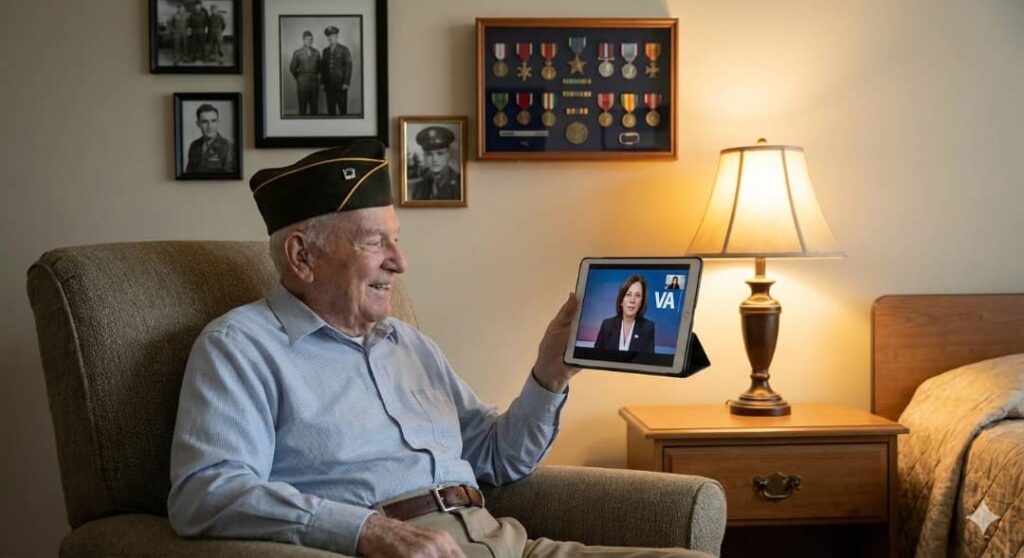
This specialized care begins with a military-cultural competent intake and assessment. Upon admission, staff should gently but purposefully inquire about service history, asking about branch, years of service, and era (e.g., WWII, Korea, Vietnam, Gulf War).
This is not just for a chart; it’s to understand potential triggers, health risks, and sources of pride. An assessment must screen for service-connected conditions like Agent Orange exposure (linked to cancers, diabetes, heart disease), PTSD, traumatic brain injury, hearing loss, and musculoskeletal injuries.
Care plans must integrate this knowledge. A veteran with PTSD may need a private room away from high-traffic areas, staff trained to avoid sudden loud noises, and a predictable routine to reduce anxiety. Understanding the “why” behind a behavior, like hypervigilance or social withdrawal is the first step toward compassionate, effective intervention.
Navigating the Veterans Affairs system and benefits is a critical, practical form of support that nursing homes must facilitate.
Many veterans and their families are unaware of benefits they’ve earned. Facilities should have a dedicated staff member or partnership to help veterans apply for VA pensions, Aid & Attendance benefits to offset care costs, and access care through the VA Community Nursing Home program.
Ensuring the resident receives their rightful benefits is a tangible act of honoring their service, alleviating financial stress, and connecting them to specialized VA medical resources, including mental health services and prosthetics clinics. This advocacy is a fundamental component of veteran-centered care.
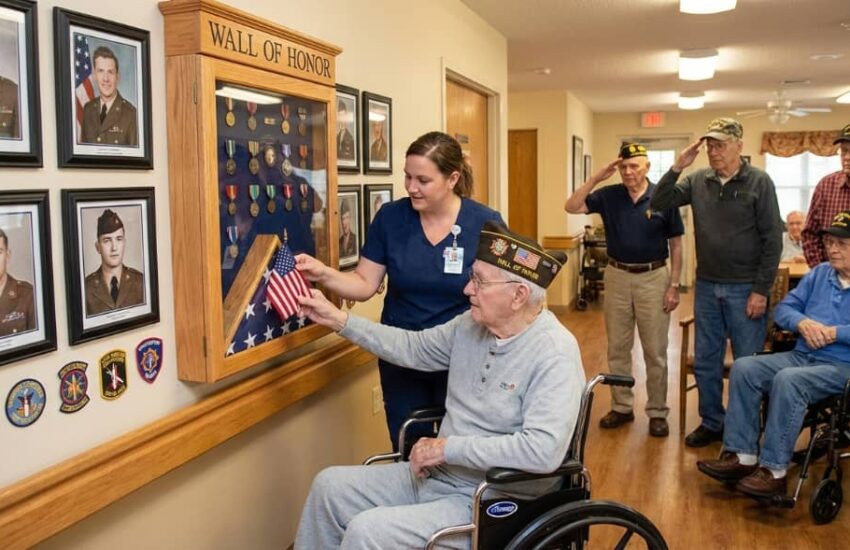
To truly honor their identity, facilities should foster a veteran-affirming community and environment. This can be achieved through simple, powerful gestures: creating a “Veterans’ Corner” with memorabilia and flags, organizing regular visits from local VFW or American Legion members, and holding ceremonies on Veterans Day and Memorial Day.
Encouraging veterans to share their stories (if they wish) through oral history projects validates their life experience. Crucially, staff training in military culture and trauma-informed care is non-negotiable.
This training teaches staff to recognize the signs of PTSD, understand that resistance to care may stem from a loss of control reminiscent of military trauma, and approach every interaction with respect, choice, and transparency, principles that build trust with someone accustomed to a chain of command and structured environment.
Ultimately, supporting veterans in a nursing home is about seeing the whole person behind the service record. It’s balancing the need to honor their past with the need to support their present.
It means providing pain management for old injuries while also creating space for camaraderie. It’s about helping a stoic former soldier accept assistance with dignity, and providing a quiet space for a veteran with PTSD to find peace.
By integrating cultural understanding, dedicated benefit advocacy, and a deeply respectful environment, a nursing home does more than provide care, it becomes a place of continued honor, ensuring those who served their country receive the specialized, compassionate service they deserve in their later years.
References
U.S. Department of Veterans Affairs. (2026). *VA nursing homes and assisted living*. Retrieved from https://www.va.gov/health-care/about-va-health-benefits/long-term-care/
Tinubu, B. A. (2025, November 17). *Tinubu lists military veterans as beneficiaries of elderly support scheme*. The Guardian Nigeria. Retrieved from https://guardian.ng/news/nigeria/national/tinubu-lists-military-veterans-as-beneficiaries-of-elderly-support-scheme-2/
Nigeria Housing Market. (2026, January 15). *Expanding social infrastructure: FG targets affordable housing for veterans*. Retrieved from https://www.nigeriahousingmarket.com/news/expanding-social-infrastructure-fg-targets-affordable-housing-for-veterans
Heroes Help NG. (2025). *Veterans relief intervention*. Retrieved from https://heroeshelp.org.ng/veterans-relief-intervention-at-the-ex-military-men-secretariat-kogi/