
 Posted by
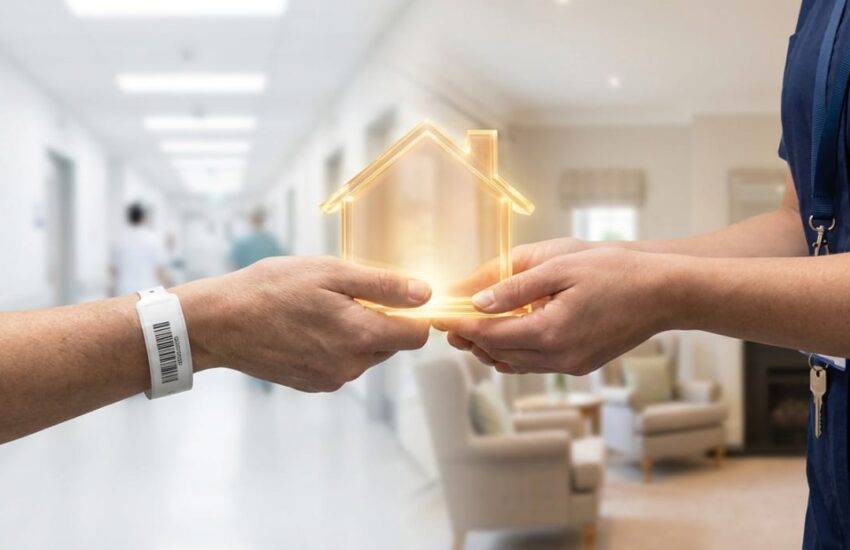
 My mom’s journey after a hospital stay taught me a hard truth: coming back to her nursing home was just the beginning. Discover how reducing readmissions became our family’s mission and why it should be every facility’s top priority.
When my mom was discharged from the hospital back to her nursing home after a serious bout of pneumonia, I thought the hard part was over. The crisis was managed.
The antibiotics had worked. We were all so focused on getting her out of the acute care setting that we celebrated her return to the familiar hallway, her own room, her routine. It felt like a victory.
Three days later, she was back in the emergency room. Dehydrated, confused, and with her pneumonia symptoms creeping back.
The readmission wasn’t just a setback; it felt like a betrayal. The system had failed her. It was a brutal lesson that for our most vulnerable elders, coming “home” to their nursing facility isn’t the finish line, it’s the most critical, fragile starting point for a different kind of healing.
That experience sent me on a journey to understand why this happens and what truly works to prevent it. I learned that reducing readmissions isn’t just a box to check for a facility’s quality ratings; it’s the very heartbeat of compassionate, competent care.
It’s about creating a seamless bridge between the high-tech, fast-paced hospital world and the long-term, holistic environment of a nursing home.
The first and most vital piece is communication, not as a formality, but as a lifeline. When Mom returned the first time, it was with a thin packet of papers. A nurse scanned them, nodded, and that was it.
The second time, after I’d learned to be a vocal advocate, it was different. We insisted on a true “warm handoff.” We asked the hospital nurse to call the facility’s charge nurse directly, not just fax a summary.
They talked through the specifics: her delicate fluid balance, the exact signs of respiratory distress to watch for, her new medication schedule, and how her confusion had spiked. That five-minute conversation aligned two teams who had been operating in separate silos. It made all the difference.
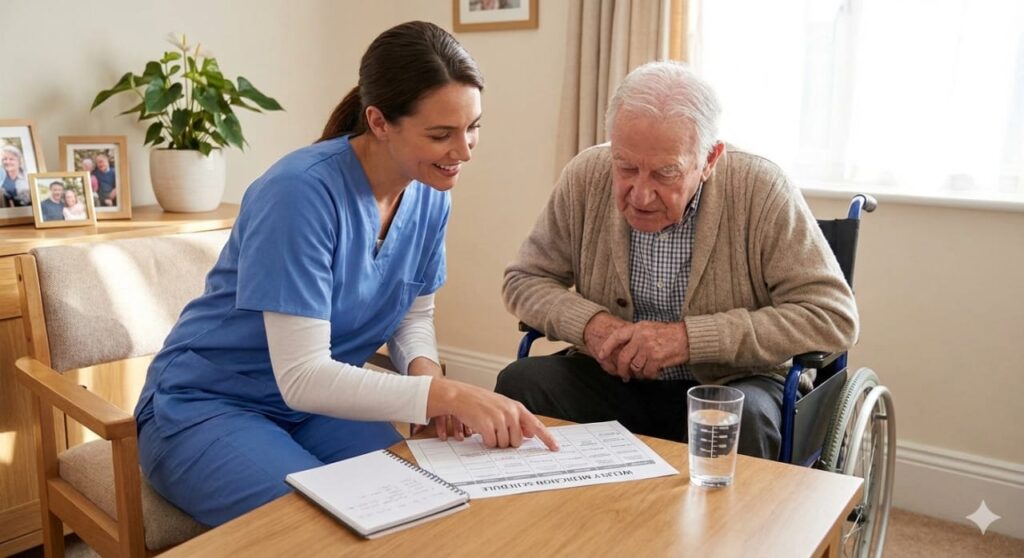
Next is the immediate and vigilant post-discharge period, especially the first 24 to 72 hours. This is where small problems get caught before they become emergencies.
It means staff aren’t just administering medications from a new list, but actively watching for side effects. It means not just offering a cup of water, but meticulously tracking intake because dehydration is a silent, frequent ticket back to the hospital.
For my mom, it meant a nurse’s aide noticing she was breathing a little faster than normal during her afternoon check, leading to a stat oxygen check and a prompt treatment that kept her stable. That moment of proactive observation was everything.
Medication management is another minefield. A hospital stay often results in a changed, and sometimes overwhelming, medication regimen.
Preventing readmissions means having a robust system to reconcile old and new meds immediately, to educate the resident and family clearly about why each pill is important, and to monitor for interactions.
I became the annoying daughter with the notebook, but that notebook helped catch a duplicate medication order that could have made her dangerously dizzy.
Finally, and this is perhaps the most profound shift, it’s about moving from a model of “curing” to one of “caring for.” The hospital’s goal is to resolve the acute crisis.
The nursing home’s goal must be to support the whole person to prevent the next one. This means having thoughtful, honest conversations about goals of care. For some residents, like my mom, an aggressive return to the hospital for every setback is what they want.
For others, the goal may be comfort and stability within the facility. Honoring that choice with advanced care planning and having the staff and resources to manage symptoms on-site is a powerful way to avoid traumatic, unwanted transfers.
So, what can you do? If you have a loved one in a facility, be their bridge. Ask about their readmission rates. During a discharge, ask for the direct phone line to the unit nurse.
Create a simple one-page summary of your loved one’s baseline, how they normally talk, eat, and act, to help staff spot subtle declines. Partner with the team; see them as allies.
For facilities, it’s about culture. It’s investing in staff training so they feel empowered to spot changes. It’s leveraging technology for better communication. It’s viewing a hospital discharge not as paperwork to file, but as a red flag signaling a resident who needs hyper-focused attention.
My mom’s second homecoming was successful. She stayed. She regained strength. She didn’t see an ambulance again for a long time. That peace was the result of intentional, connected care.
Reducing readmissions is more than a metric; it’s a promise, a promise that the journey back to health is protected, nurtured, and honored every single day. It’s the work that truly begins at the door.
References
British Geriatrics Society. (2015). *Rehabilitating the revolving door: Reducing unplanned hospital admissions in older people*. *Age and Ageing, 45*(Suppl 2), ii1–ii2. https://academic.oup.com/ageing/article/45/suppl_2/ii1/1740241
Intuition Labs. (2024). *Evidence‑based strategies to reduce hospital readmissions*. Retrieved from https://intuitionlabs.ai/pdfs/evidence-based-strategies-to-reduce-hospital-readmissions.pdf
Closler. (2025, April 14). *The revolving door: Why patients keep coming back to the hospital*. Retrieved from https://closler.org/lifelong-learning-in-clinical-excellence/the-revolving-door
Auerbach, A. D., & Kripalani, S. (2013). *Reducing hospital readmission: Current strategies and future directions*. *Annual Review of Medicine, 64*, 455–469. https://pmc.ncbi.nlm.nih.gov/articles/PMC4104507/
StatPearls. (2024, June 6). *Reducing hospital readmissions*. In *StatPearls [Internet]*. National Center for Biotechnology Information. https://www.ncbi.nlm.nih.gov/books/NBK606114