
 Posted by
 Keep families connected with virtual visits in nursing homes. Learn how video conferencing technology reduces isolation, supports resident well-being, and enhances family involvement in care.
The physical distance between a nursing home resident and their family can feel like an uncrossable chasm, deepened by travel limitations, health risks, and busy schedules.
For the resident, this separation can fuel loneliness, depression, and a painful sense of being forgotten. For families, it creates guilt and anxiety about their loved one’s well-being.
Video conferencing technology has emerged as a powerful, essential tool to bridge this gap. More than a simple video call, a thoughtfully facilitated virtual visit is a lifeline of connection, a window into each other’s worlds, and a vital component of modern, person-centered care that upholds the emotional and psychological well-being of residents.
The benefits of virtual visits extend far beyond basic communication. For residents, especially those with limited mobility or cognitive challenges, these connections are a potent antidote to social isolation and loneliness.
Seeing the face of a grandchild, hearing the familiar voice of a sibling, or simply being visually present for a family gathering they cannot attend affirms their enduring place in the family fabric. This regular, visual contact has been shown to significantly improve mood, reduce symptoms of depression, and provide crucial cognitive stimulation.
For residents with dementia, seeing a familiar face can trigger positive memories and provide a moment of profound clarity and comfort, anchoring them in a web of loving relationships.

For families, virtual visits transform care from a mystery into a partnership. They move from worrying in the abstract to participating directly in their loved one’s daily life.
They can visually assess their loved one’s mood, appearance, and environment, providing reassurance and allowing for early intervention if they notice concerns. Virtual platforms also enable families to participate in care planning meetings with staff without traveling, ensuring their voice is heard in critical decisions.
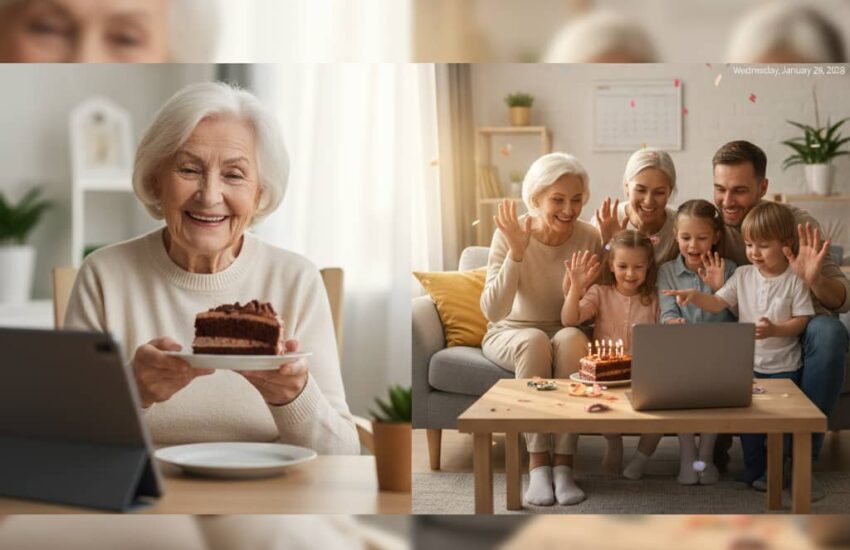
Perhaps most meaningfully, they allow for the preservation and creation of shared moments and rituals, celebrating birthdays, reading bedtime stories to great-grandchildren, or simply sharing a meal “together” via screen. These interactions maintain the relational bonds that are fundamental to a resident’s identity and sense of self.
Successful implementation requires more than just providing a tablet; it demands intentional facilitation and staff support. Not all residents can independently manage technology.
Nursing home staff play a crucial role as compassionate tech facilitators, setting up the device, ensuring good lighting and audio, initiating the call, and providing gentle prompts or assistance during the conversation.
They may also help structure the visit to make it more engaging, suggesting activities like a virtual tour of a family member’s garden, looking at old photos together on a shared screen, or playing a simple online game.
Training staff to see this as a core caregiving task, not an administrative extra, is essential. It also requires addressing privacy and dignity by offering private spaces for calls and ensuring residents are comfortable and presentable, treating the virtual visit with the same respect as an in-person one.
Ultimately, integrating virtual visits is about redefining presence. It acknowledges that physical proximity is not always possible, but emotional closeness is non-negotiable.
A well-executed virtual visit program signals to both residents and families that the facility values holistic well-being and innovative solutions to foster human connection. It complements, rather than replaces, in-person visits, ensuring that the bond between a resident and their family remains strong, dynamic, and resilient against any barrier of distance.
By closing the miles with a screen, we open a world of continued love, memory, and shared life, proving that even when we cannot be in the same room, we can always be in each other’s world.
References
Kasugai, S., et al. (2025). Family visits among nursing home residents during the COVID-19 pandemic: A cross-sectional study. *BMC Geriatrics, 25*(1), Article 234. https://pmc.ncbi.nlm.nih.gov/articles/PMC12247430/
Kelly, R. M., et al. (2023). Video calls as a replacement for family visits during lockdowns in residential aged care: An interview study with family members. *JMIR Aging, 6*, e40953. https://doi.org/10.2196/40953
Racin, C., et al. (2023). Analyzing the use of videoconference by and for older adults in residential care facilities during the COVID-19 pandemic: A scoping review. *Frontiers in Psychology, 14*, Article 1154657. https://doi.org/10.3389/fpsyg.2023.1154657
Broukhim, S., et al. (2022). Acceptability of videoconferencing to preserve the contact between long-term care home residents and family caregivers during the COVID-19 pandemic. *Journal of Long-Term Care, 2022*, 1-12. https://pmc.ncbi.nlm.nih.gov/articles/PMC9492440/