
 Posted by
 Explore how robotics and artificial intelligence are revolutionizing nursing home care. From companionship robots to AI safety monitoring, discover the technology improving resident safety, staff support, and quality of life.
In the quiet hallways of a forward-thinking nursing home, a new kind of presence is emerging alongside caregivers. It doesn’t tire, it doesn’t forget, and it can monitor vital signs while telling a joke.
This is the new frontier of senior care, where robotics and artificial intelligence are not replacing the human touch, but strategically augmenting it to address profound challenges: chronic staff shortages, caregiver burnout, and the complex safety and social needs of an aging population.
These technologies are moving from science fiction to practical tool, offering a blend of operational support, cognitive assistance, and even companionship, all aimed at enhancing dignity and quality of life.
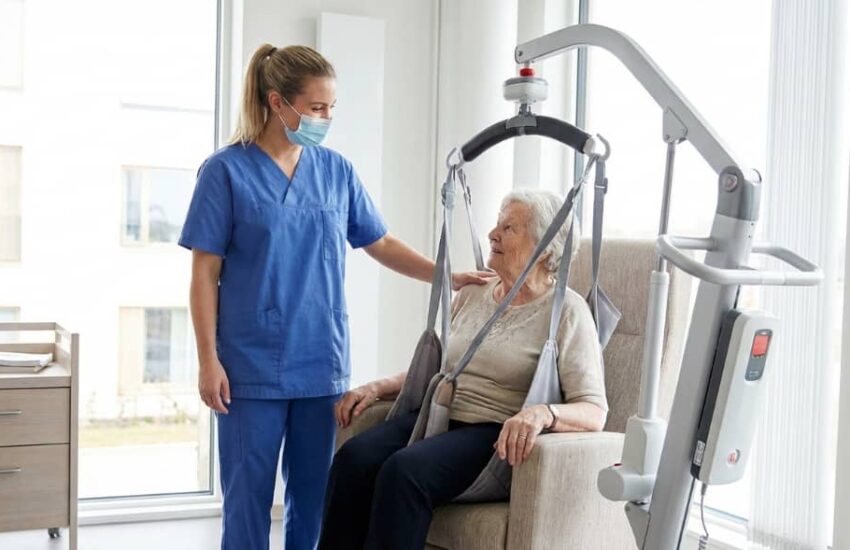
One of the most promising applications is in physical assistance and logistical support. Robotic exoskeletons and lift-assist devices are revolutionizing mobility care. These wearable or free-standing machines can safely transfer a resident from bed to chair with minimal physical strain on staff, drastically reducing the risk of caregiver injury, a leading cause of turnover.
Similarly, autonomous delivery robots can navigate hallways to distribute linen, meals, or medication, freeing up valuable staff time for direct, personal interaction. These “worker-aid” robots handle the repetitive, physically taxing tasks, allowing human staff to focus on the emotional, cognitive, and complex clinical care that requires empathy and judgment. This isn’t about displacement; it’s about creating a more sustainable and effective care team.
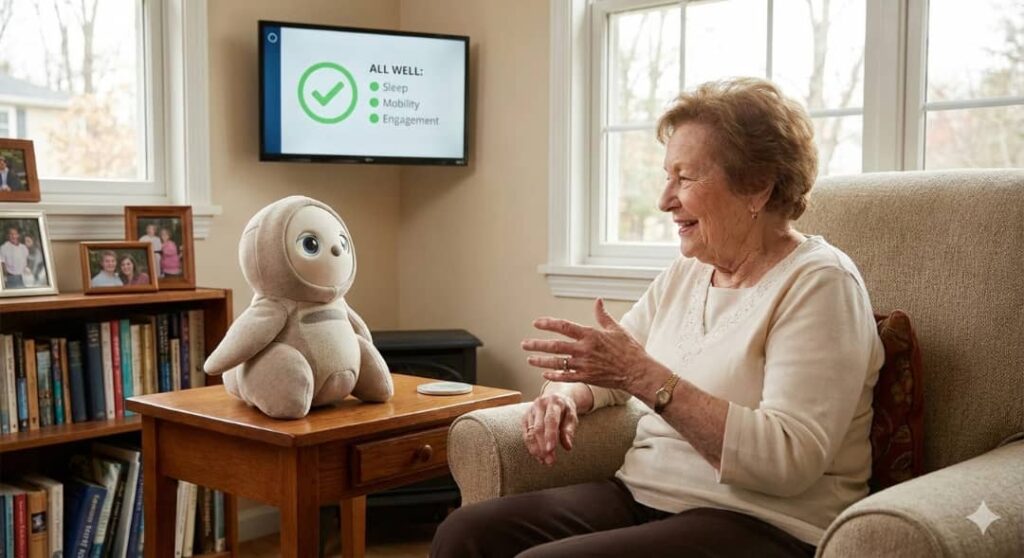
AI’s power shines in the realm of predictive analytics and safety monitoring. Advanced sensor networks and wearable devices can continuously collect data on a resident’s movement, sleep patterns, and even vital signs. AI algorithms analyze this data in real-time, learning individual baselines and detecting subtle anomalies.
The system can alert staff to a resident’s increased fall risk based on gait changes, flag early signs of a urinary tract infection from restlessness and temperature data, or send an alert if a resident with dementia begins to wander toward an unsafe area.
This shift from reactive to predictive and preventative care allows for earlier interventions, potentially preventing hospitalizations and enabling residents to live more independently within a safer environment.
Perhaps the most sensitive and evolving area is social companionship and cognitive engagement. For residents, especially those with dementia or limited social contact, loneliness can be devastating. Social robots, like pet-like companions or humanoid robots, are designed to provide interactive engagement.
They can lead gentle exercises, play memory games, tell stories, or simply offer a responsive presence for conversation. AI-driven virtual assistants, tailored for seniors, can manage daily reminders for medication, answer questions, facilitate video calls with family, and provide cognitive stimulation.
While they cannot replicate human bonds, they offer consistent, patient interaction that can reduce agitation, provide comfort, and stimulate mental activity, supplementing the irreplaceable work of human staff and family.
The integration of this technology hinges on ethical implementation and human-centered design. Success depends on staff being trained as skilled operators and collaborators, not replaced workers. Resident consent and privacy are paramount; technology must never depersonalize care or create a surveillance state.
The goal is augmented care, using machines to handle tasks they excel at (lifting, monitoring data, repetitive interaction) so humans can excel at what they do best: providing compassion, emotional connection, and complex decision-making.
As these tools evolve, they promise a future where nursing homes are not just places of care, but communities where technology works silently in the background to empower staff, ensure safety, and nurture the human spirit, allowing every resident to live with greater dignity, autonomy, and joy.
References
Sharkey, N., & Sharkey, A. (2024). Adoption of artificial intelligence–enabled robots in long-term care facilities: A scoping review. *Journal of Medical Internet Research, 26*, e56789. https://pmc.ncbi.nlm.nih.gov/articles/PMC11387915/
Broadbent, E., et al. (2025). Physical artificial intelligence in nursing: Robotics. *Nursing Outlook, 73*(2), 102-115. https://doi.org/10.1016/j.outlook.2025.1484
University of Notre Dame Keough School of Global Affairs. (2021). *Using robots in nursing homes linked to higher employee retention, better patient care*. Retrieved from https://keough.nd.edu/news-and-events/news/using-robots-in-nursing-homes-linked-to-higher-employee-retention-better-patient-care
The Robot Report. (2025, January 10). *Robots in nursing homes can improve patient care, employee retention, finds study*. Retrieved from https://www.therobotreport.com/robots-in-nursing-homes-can-improve-patient-care-employee-retention-finds-study/