
 Posted by
 In the clinical environment of a nursing home, wound care often focuses on the visible: cleaning, dressing, and monitoring a pressure ulcer or surgical site. Yet, beneath the bandage, a complex biological rebuilding project is underway, one that cannot succeed without the right raw materials. The body’s ability to repair damaged tissue is profoundly dependent on the nutrients it receives. Discover the critical role of nutrition in wound healing for seniors. Learn how protein, vitamins, and hydration work together to repair tissue and prevent complications in nursing home residents.
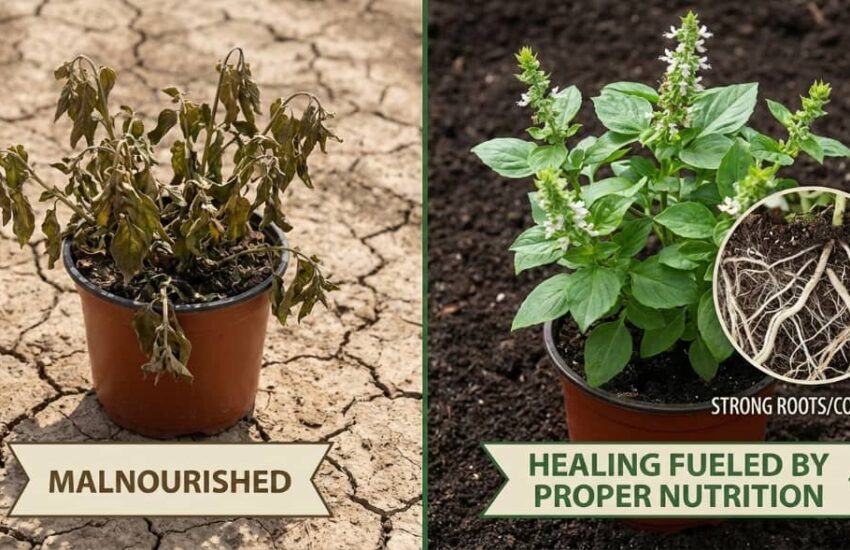
For a frail senior with a compromised immune system and potentially poor appetite, this creates a critical juncture. Here, clinical care and nutritional care intersect; the most meticulously dressed wound will struggle to heal if the person is malnourished. Understanding and supporting this metabolic demand is not an ancillary part of treatment, it is foundational.
Wound healing is an energy-intensive process with distinct phases, each with specific nutritional requirements. The initial inflammatory phase requires adequate protein and vitamins like C and A to support immune cell function and fight infection. The proliferative phase, where new tissue (granulation) forms, demands a massive surge of protein, the building block for collagen, along with zinc and vitamin C for collagen synthesis. Finally, the remodeling phase requires continued protein and energy to strengthen the new tissue. For an elderly resident, who may already have age-related muscle loss (sarcopenia) and a slowed metabolism, this increased demand can quickly outstrip their nutritional intake, leading to a stalled, chronic wound that is vulnerable to infection and decline.
Key nutrients act as specialized tools in this repair toolkit. Protein is the non-negotiable cornerstone. Insufficient protein intake leads to the body breaking down its own muscle mass to access amino acids for wound repair, further weakening the resident. Vitamin C is essential for collagen formation and immune function; a deficiency (scurvy) directly causes wounds to fail to heal. Zinc plays a crucial role in cell division and protein synthesis. Vitamin A supports epithelial cell growth and immune response. Hydration is equally critical, as water is necessary for every cellular process, including transporting these nutrients to the wound site and maintaining skin turgor. A dehydrated body cannot efficiently heal.
In the nursing home setting, turning this knowledge into effective intervention requires a team approach led by a registered dietitian. The process begins with a comprehensive nutritional assessment for any resident with a wound. This includes evaluating weight history, current intake, bloodwork (e.g., albumin, prealbumin as markers of nutritional status), and swallowing ability. The dietitian then develops an aggressive nutritional support plan. This often involves:
- High-protein, high-calorie meals and snacks: Fortifying foods with protein powder, cheese, or healthy fats.
- Oral nutritional supplements: Providing medical-grade shakes or puddings rich in protein, arginine, and micronutrients between meals.
- Appetite stimulation: Addressing causes of low intake like depression, medication side effects, or ill-fitting dentures.
- Hydration protocols: Encouraging fluid intake with appealing options, scheduled reminders, and monitoring for signs of dehydration.
Ultimately, prioritizing nutrition in wound care is a proactive strategy that aligns with quality of life and fiscal responsibility. A well-nourished resident heals faster, experiences less pain, has a lower risk of severe infection, and regains function more quickly. This reduces the need for advanced, expensive wound-care supplies and antibiotics, and can prevent hospital readmissions. Beyond the biochemistry, a delicious, nutrient-dense meal is an act of dignity and care. It supports not just a wound on the skin, but the whole person, empowering their body’s innate ability to recover and affirming that their healing is the central mission of the entire care team.
References
Arensberg, M. B. (2024). Nutrition for healing acute and chronic wounds. *Research on Population Nutrition, 4*(3), 1–18. https://doi.org/10.24294/rpn.v4i3.814
Saghaleini, S. H., Dehghan, K., Shadvar, K., Sanaie, S., Mahmoodpoor, A., & Ostadi, Z. (2018). Pressure ulcer and nutrition. *Advances in Wound Care, 7*(2), 77–82. https://doi.org/10.1089/wound.2016.0698
Alberta Health Services. (2023). *Pressure injury prevention and management: Nutrition guidelines*. Retrieved from https://www.albertahealthservices.ca/assets/info/nutrition/if-nfs-ng-pressure-injuries-prevention-and-management.pdf
British Dietetic Association. (2025, December 8). *Prevention and management of pressure injuries: Diet and hydration*. Retrieved from https://www.bda.uk.com/resource/pressure-ulcers-pressure-sores-diet.html
Langer, G., et al. (2024). Nutritional interventions for preventing and treating pressure ulcers. *Cochrane Database of Systematic Reviews, 2*, CD003216. https://doi.org/10.1002/14651858.CD003216.pub3