
 Posted by
 For many of us, the deepest connections to our heritage and our most cherished memories are tied to the kitchen, the aroma of a specific spice, the texture of a traditional dish, the ritual of a shared meal. In a nursing home, where so much feels unfamiliar, these culinary touchstones become more than nutrition; they are lifelines to identity, comfort, and dignity.
Providing culturally-sensitive food options is not a matter of exotic menu additions, but a fundamental component of holistic, person-centered care. It acknowledges that to truly nourish a resident, you must honor the palate shaped by a lifetime of culture, family, and tradition. Discover why culturally-sensitive food is essential in nursing homes. Learn how personalized menus, traditional flavors, and inclusive dining honor heritage and improve resident health and happiness.
The journey begins with recognizing food as a profound form of personal and cultural expression. For a resident, a plate that reflects their heritage is an immediate signal that they are seen and valued as a whole person, not just a patient with dietary restrictions. It can combat feelings of isolation and depression, spark joy, and stimulate appetite, a common challenge in elderly care.
Furthermore, culturally familiar foods are often more easily digested and enjoyed, directly impacting nutritional intake and physical health. This approach moves institutional catering from a one-size-fits-all model to a practice of culinary respect, where mealtimes become anticipated moments of comfort and connection rather than routine obligations.
Implementing this vision requires moving beyond stereotypes to genuine personalization. The process starts upon admission with a “food life history” interview, conducted with the resident and their family. This conversation explores not just dietary restrictions, but culinary preferences, cherished family recipes, religious dietary laws, and significant food-related traditions and holidays.
This information becomes a living part of the care plan. Kitchen staff and dietitians must then collaborate to translate these preferences into balanced, safe meals. This might involve sourcing specific ingredients, adapting traditional recipes to meet texture-modification needs (like pureeing or chopping), and ensuring kosher or halal certification for kitchens or meal prep areas.
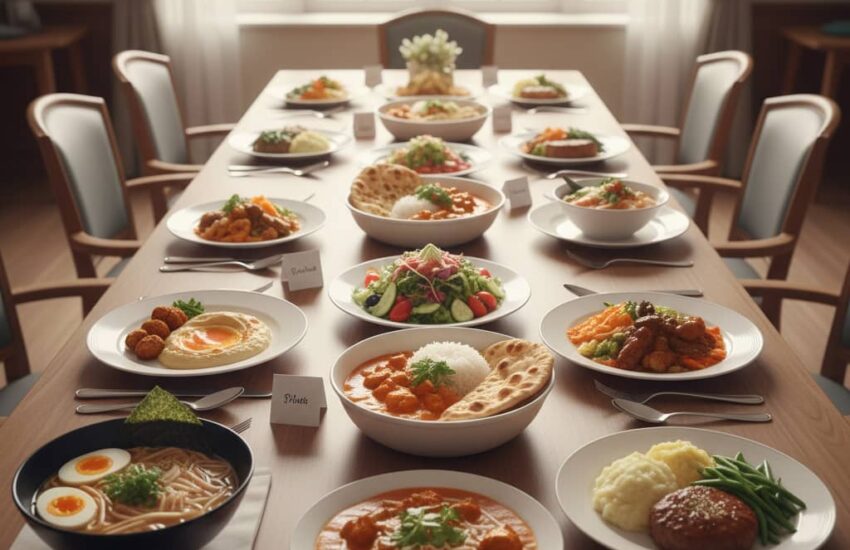
The dining experience itself must be culturally congruent. This extends beyond the plate to the entire ritual. It means understanding appropriate mealtimes, some cultures dine later. It involves serving food in traditional ways, such as offering rice in a bowl with specific sides, or serving bread to be torn and shared.
Creating opportunities for residents and families to participate in food preparation, like seasonal dumpling-making or holiday baking, fosters immense joy and a sense of contribution. Staff training is critical here; servers and aides should understand the cultural significance of the foods they are serving and be trained to pronounce dish names correctly, demonstrating basic respect.
Ultimately, a culturally-sensitive dining program is a powerful statement about community and belonging. It transforms the dining room from a functional cafeteria into a vibrant, inclusive gathering space that celebrates diversity. It tells every resident that their history matters, that their tastes are valid, and that their comfort is a priority.
For families, it provides profound peace of mind, knowing their loved one is being cared for in a way that sustains their spirit as well as their body. By committing to this approach, a nursing home does more than feed residents; it nourishes their identity, preserves their dignity, and turns every meal into an act of respect and a taste of home.
References
Aged Care Quality and Safety Commission. (2024). *Cultural considerations in food, nutrition and dining*. Australian Government. Retrieved from https://www.agedcarequality.gov.au/providers/food-nutrition-dining-information-providers/food-thought-positive-stories/cultural-
Syed, S. (2025). *Bringing culture to the table: Culturally inclusive food in long-term care homes*. Research by University of Waterloo Nutrition and Aging Lab. Retrieved from https://the-ria.ca/news/bringing-culture-to-the-table/
Plastow, N. A., et al. (2015). Food activities and identity maintenance in old age: A review of the evidence. *International Journal of Geriatric Psychiatry, 30*(4), 356-369. https://doi.org/10.1002/gps.4239
Long-Term Care Ombudsman Program. (n.d.). *Tribal nursing home best practices: Traditional foods*. Retrieved from https://ltcombudsman.org/uploads/files/issues/nh-best-practices-traditional-foods.pdf
Criss, S., et al. (2019). Food cultures and aging: A qualitative study of community-dwelling older adults. *Journal of Nutrition Education and Behavior, 51*(8), 943-951. https://doi.org/10.1016/j.jneb.2019.04.012