
 Posted by
 My mother was always a social person. She had a book club, a bridge group, a walking partner. When my father died, she maintained her routines. But after a fall, she became afraid to go out. She stopped driving. She started declining invitations. Within months, she was spending most days alone in her apartment. She was safe, but she was also disappearing.
I had no idea how much the isolation was affecting her until a home health aide mentioned that her blood pressure had spiked and she seemed depressed. Socialization is not just about entertainment. It is about health. Seniors who are socially isolated have higher rates of depression, anxiety, cognitive decline, cardiovascular disease, and even mortality. The loneliness is not just emotional. It is physical.
The first thing I learned is that socialization is not the same as having visitors. A quick hello from a family member or a brief check-in from a service provider does not provide the same benefits as meaningful connection. True socialization involves interaction that is reciprocal, engaging, and emotionally rewarding.
Research consistently shows that seniors who maintain active social lives experience better physical and mental health. They live longer, recover faster from illness, and maintain independence longer than their isolated peers. Social activities can provide a sense of purpose and belonging, reduce stress, and improve sleep quality.
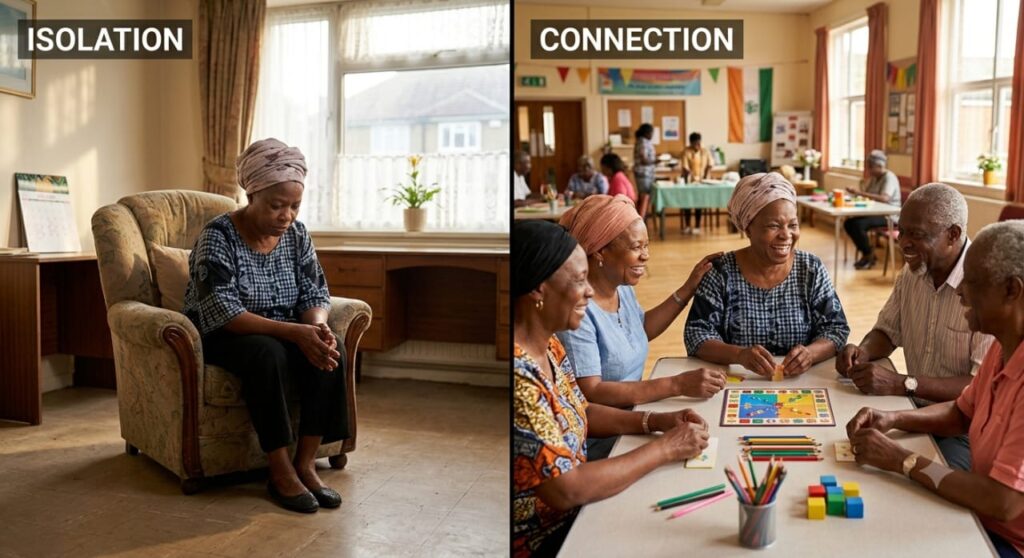
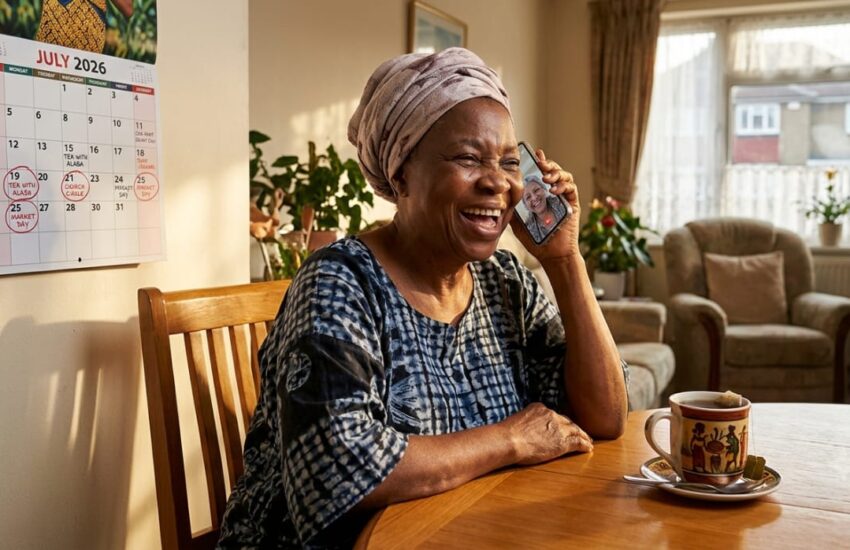
Once I understood this, I started looking for ways to help my mother stay connected without overwhelming her. I could not force her to join a group, but I could create opportunities. I enrolled her in a meal delivery program that included a daily phone check-in. It was not a long conversation, but it was a human voice, and she started looking forward to it. I also reached out to her former walking partner and arranged a weekly call. They did not walk together anymore, but they talked for an hour every Thursday.
I also learned that technology can help, but it needs to be tailored to the individual. My mother could not master video calls, but she could use a simple tablet that only showed photos sent by family. She could not join a virtual book club, but she could listen to audiobooks and discuss them with a volunteer reader who called once a week. The key was meeting her where she was, not where I wished she was.
In-person contact is ideal, but not always possible. If transportation is a barrier, look for community-based programs that offer door-to-door service. Many senior centers provide low-cost or free transportation to activities, meals, and appointments. My mother eventually started using a paratransit service once a week to visit a local senior center. It was not perfect, she complained about the wait times, but she started making friends and looked forward to the visits.
I also learned that socialization does not have to be in groups. For some seniors, one-on-one connections are more meaningful. Companionship programs, friendly visitor services, and telephone reassurance programs can provide that personalized connection. My mother thrived with a volunteer visitor who came once a week to look at photo albums and listen to her stories. That one hour was more valuable than any group activity.
If your loved one lives at home, you can help by creating structure. Loneliness often peaks during unstructured time, evenings, weekends, holidays. Establish a weekly routine that includes regular phone calls, visits, or small outings. A predictable rhythm provides a sense of security and something to look forward to.
Do not underestimate the power of simple gestures. A handwritten letter, a photo in the mail, a surprise call from a grandchild. These small acts are reminders that your loved one is seen and remembered. They are not just nice gestures. They are lifelines.
I also had to accept that I could not be my mother’s only social contact. I needed help, and that was okay. I hired a companion who came twice a week for conversation and a short walk. I enrolled her in a senior day program twice a month. These services gave her variety and gave me peace of mind.
Socialization for seniors living at home is not optional. It is essential. It is as important as medication, nutrition, and safety. If you are caring for an aging parent, do not wait until they become withdrawn to act. Start early. Build a support network. Reach out to community resources. And remind them, every day, that they are not alone.
There is so much more to learn about supporting seniors who age in place. Our website is filled with articles on community resources, companionship programs, and preventing isolation. Head over and explore, because connection is the heartbeat of healthy aging.
References
Bethesda Health Group. (2025, February 5). *The importance of socialization for seniors*. https://bethesdahealth.org/blog/the-importance-of-socialization-for-seniors/
Cleveland Clinic. (2022, December 8). *Why socialization is important for older adults*. https://newsroom.clevelandclinic.org/2022/12/09/why-socialization-is-important-for-older-adults
UCLA Health. (2025, March 19). *How (and why) to stay social as you age*. https://www.uclahealth.org/news/article/how-and-why-stay-social-you-age
Kendal on Hudson. (2022, August 10). *Benefits of socialization for seniors*. https://kohud.kendal.org/blog/benefits-of-socialization-for-seniors/
A Place for Mom. (2023, December 18). *The benefits of socialization for seniors in senior living*. https://www.aplaceformom.com/caregiver-resources/articles/seniors-and-socialization