
 Posted by
 The first case was a kitchen worker. No symptoms, just a positive test during routine screening. Within a week, seventeen residents were infected. Within two weeks, six had died. My mother survived, but watching the facility scramble taught me everything about outbreak management and what happens when it fails.
Outbreak management in nursing homes isn’t just about reacting when someone gets sick. It’s about preparing before illness arrives. The facilities that handled COVID well had plans already written, supplies already stockpiled, and staff already trained. The ones that failed were caught flat-footed.
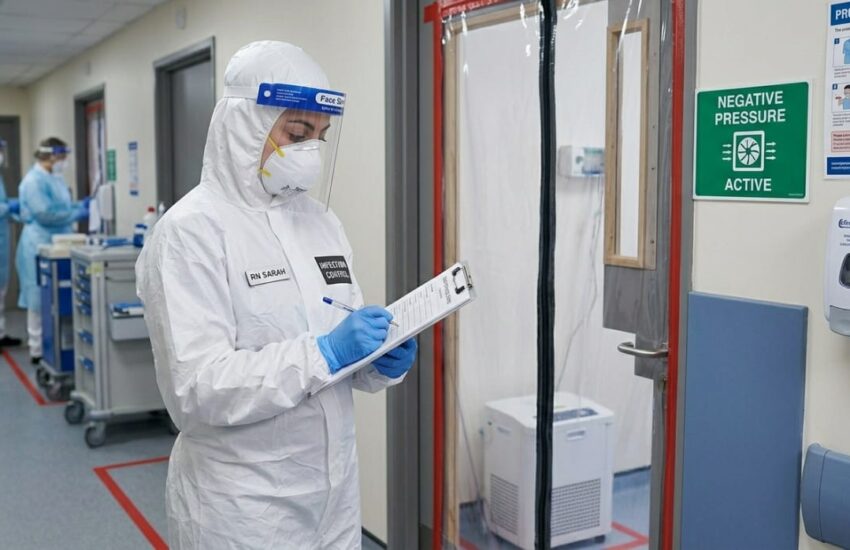
The first line of defense is prevention. Every nursing home should have infection control policies that are practiced daily, not just during crises. Hand hygiene stations. Personal protective equipment is available. Staff are trained to stay home when sick. Visitors screened for symptoms. These basics sound simple, but they require constant reinforcement.
My mother’s facility had good daily practices. But when the outbreak hit, those basics weren’t enough. They needed surge capacity, extra PPE, extra staff, extra isolation rooms. They didn’t have it. We spent days scrambling for masks and gowns while cases multiplied.
Early detection is critical. One undetected case can become ten in a matter of days. Facilities need systems for daily symptom screening, regular testing of asymptomatic staff, and rapid access to lab results. My mother’s facility tested residents weekly, but tested staff only when they had symptoms. That missed the kitchen worker, who had no symptoms at all.
Once a case is detected, isolation is the next priority. Infected residents need separate rooms, dedicated staff, and separate dining and activity spaces. My mother’s facility had limited isolation capacity. Some infected residents stayed in their original rooms, near vulnerable neighbors. The virus spread faster because containment failed.
Staffing is always the hardest piece. During an outbreak, staff call out sick. They get exposed and need to quarantine. They burn out from the pressure. A good outbreak plan includes staffing backups: agency nurses, cross-trained administrators, and volunteers for non-clinical tasks. My mother’s facility had no backup plan. When aides stopped showing up, the remaining staff were stretched impossibly thin.
Communication with families is essential but often mishandled. During the outbreak, my mother’s facility sent daily email updates. But the updates were vague, delayed, and sometimes contradictory. I didn’t know which residents were infected until days later. Better facilities had dedicated family liaisons, daily phone calls, and transparent reporting of cases and deaths.
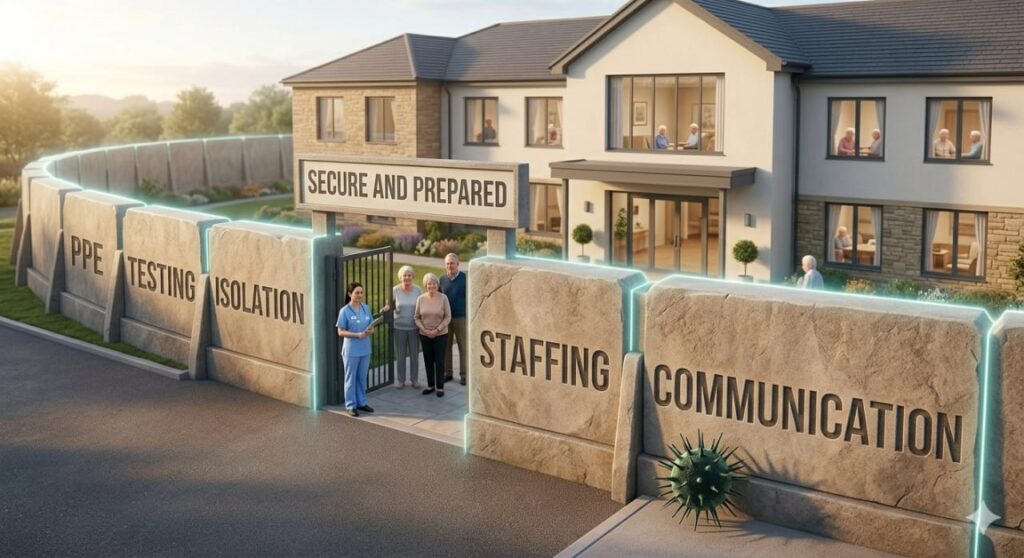
Supplies are another common failure point. PPE, cleaning supplies, and basic medications can run out quickly during a surge. Facilities should maintain a reserve stock and have relationships with emergency suppliers. My mother’s facility rationed masks and reused gowns. It wasn’t enough.
Residents with dementia or cognitive impairment present special challenges. They may not understand why they’re suddenly confined to their room. They may pull off masks. They may wander into common areas. Outbreak plans need specialized strategies for this population: one-on-one supervision, activity carts for isolated residents, and extra staff for behavioral support.
My mother’s facility eventually got the outbreak under control, but not before too many people died. The lessons were painful. The facility now has a full-time infection preventionist, a stockpile of supplies, and a real isolation unit. But those changes came too late for the residents who died.
If you have a loved one in a nursing home, ask about outbreak preparedness before a crisis happens. What’s the infection control plan? How often is staff trained? How many isolation rooms are available? What’s the backup staffing plan? How will families be notified? The answers will tell you whether the facility is prepared.
During an active outbreak, advocate for communication. Call daily. Ask specific questions: How many new cases today? How many deaths? What’s the staffing situation? Is PPE adequate? What’s being done to separate infected and healthy residents? Don’t accept vague reassurances. You have a right to know.
Outbreaks are terrifying, but they’re also survivable. The facilities that survive them are the ones that were prepared before the first case arrived. There’s so much more to learn about infection control in nursing homes. Our website is filled with articles on outbreak management, family advocacy, and evaluating facility safety. Head over and explore, because preparation saves lives.
References
Centers for Disease Control and Prevention. (2026, January 22). *Respiratory virus toolkit for long-term care settings*. https://www.cdc.gov/long-term-care-facilities/hcp/respiratory-virus-toolkit/index.html
U.S. Department of Health and Human Services, Office of the Assistant Secretary for Preparedness and Response. (n.d.). *Outbreak considerations for long-term care communities* [PDF]. https://files.asprtracie.hhs.gov/documents/outbreak-considerations-for-long-term-care-communities.pdf
UK Health Security Agency. (2024, July 23). *Management of acute respiratory infection outbreaks in care homes*. https://www.gov.uk/government/publications/acute-respiratory-disease-managing-outbreaks-in-care-homes/management-of-acute-respir
American Health Care Association/National Center for Assisted Living. (n.d.). *Tips for outbreak management in skilled nursing facilities* [PDF]. https://www.ahcancal.org/Quality/Clinical-Practice/Documents/Tips%20for%20Outbreak%20Management%20in%20Skilled%20Nursing%20Faci
Centers for Disease Control and Prevention. (2024, September 25). *Interim guidance for influenza outbreak management in long-term care and post-acute care facilities*. https://www.cdc.gov/flu/hcp/infection-control/ltc-facility-guidance.html